

Gallery
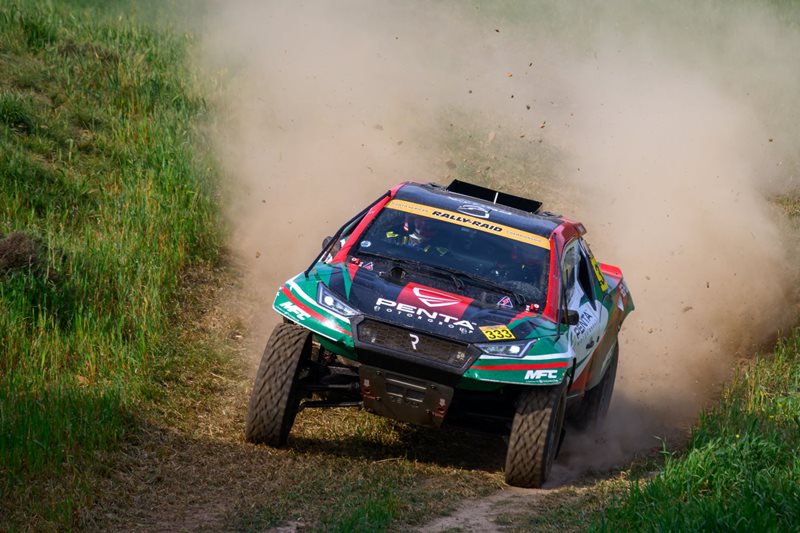
MOTOR RACING NEWS - The Outeniqua 400, the third round of the 2026 South African Rally-Raid Championship (SARRC), brought 25 crews to the Upper Langkloof for two days of demanding off-road racing on 28 and 29 August.
The event was originally scheduled for May but was postponed following severe storms and flooding in the Southern Cape.
The revised event was shortened to 400km over two days, with flood damage, mud, slippery sections, exposed rocks and damaged roads forming part of the technical challenge.
Friday included a 25km qualifying race, which determined the starting order, followed by the first competitive stage of approximately 95km.
Saturday featured two further stages of roughly 152km each.
Only 15 crews completed the full event, highlighting the demanding nature of the course.
Botterill and Köhne dominate
Guy Botterill and Henry Köhne produced a commanding performance in their Toyota Gazoo Racing Hilux IMT EVO, winning the qualifying race as well as all three competitive stages.
They completed the event in 5:42:47, leading from start to finish.
Last year's Outeniqua winner, Giniel de Villiers, and navigator Dennis Murphy finished second in 5:46:20, while Gareth Woolridge and Boyd Dreyer took third in 5:51:57.
De Villiers, one of South Africa's most successful rally drivers and winner of the 2009 Dakar Rally, was among several crews affected by cattle on Friday's stage.
A large herd of cattle forced De Villiers, Murphy and the Ford crews to slow significantly while navigating safely through the area. Time compensation was subsequently awarded by the organisers.
Toyota success comes with setbacks
Although the result marked Toyota Gazoo Racing's third consecutive Outeniqua 400 victory and Botterill's second consecutive win, it was a difficult weekend for several other Toyota crews.
Young driver Sa'aad Variawa, competing alongside experienced navigator Oriol Mena Valdearcos, showed strong pace and started Saturday in second place.
Their challenge ended, however, after they clipped a rock and damaged the vehicle's power steering.
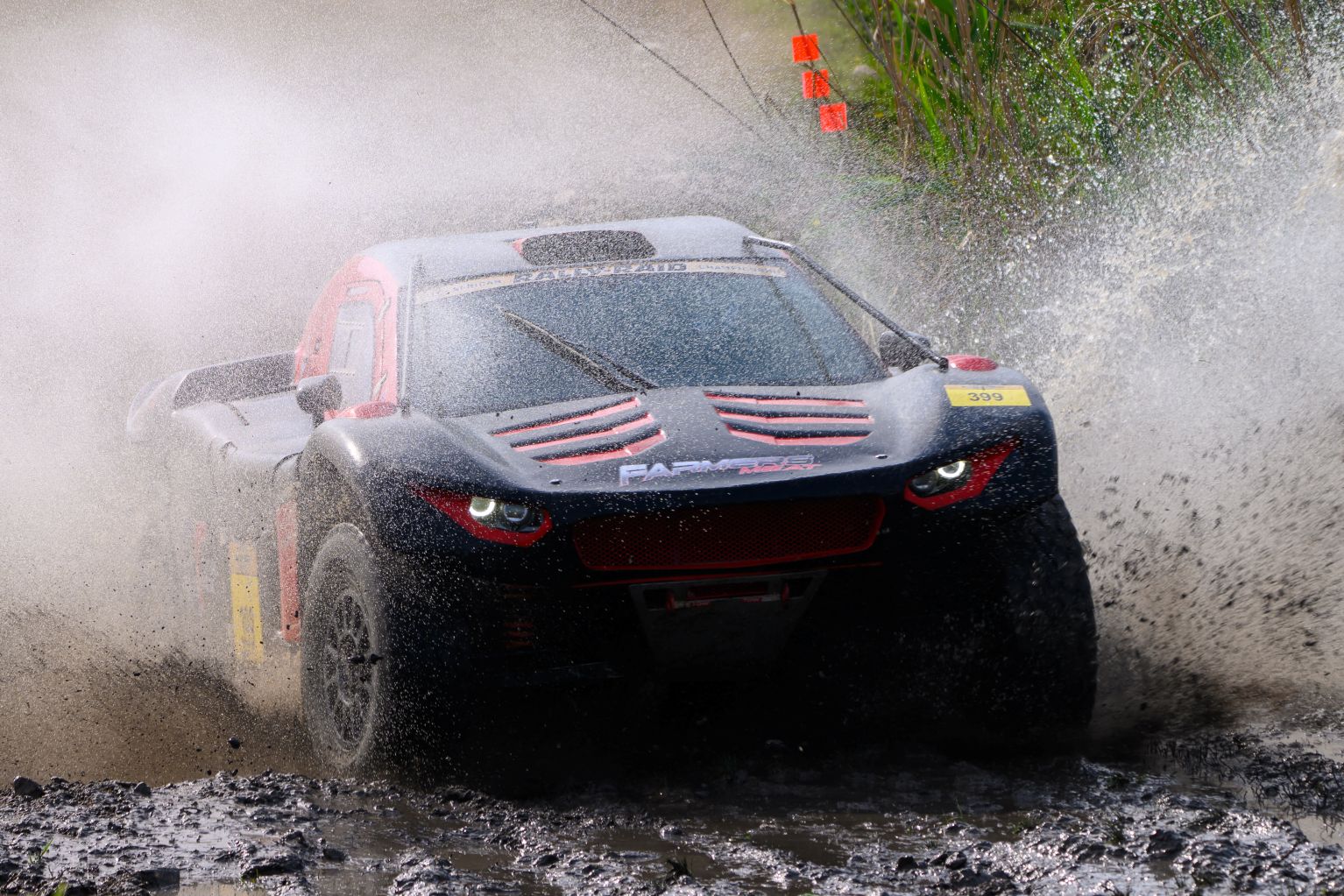
His brother, Saood Variawa, and navigator Charan Moore also retired after rolling their vehicle into a shallow waterhole.
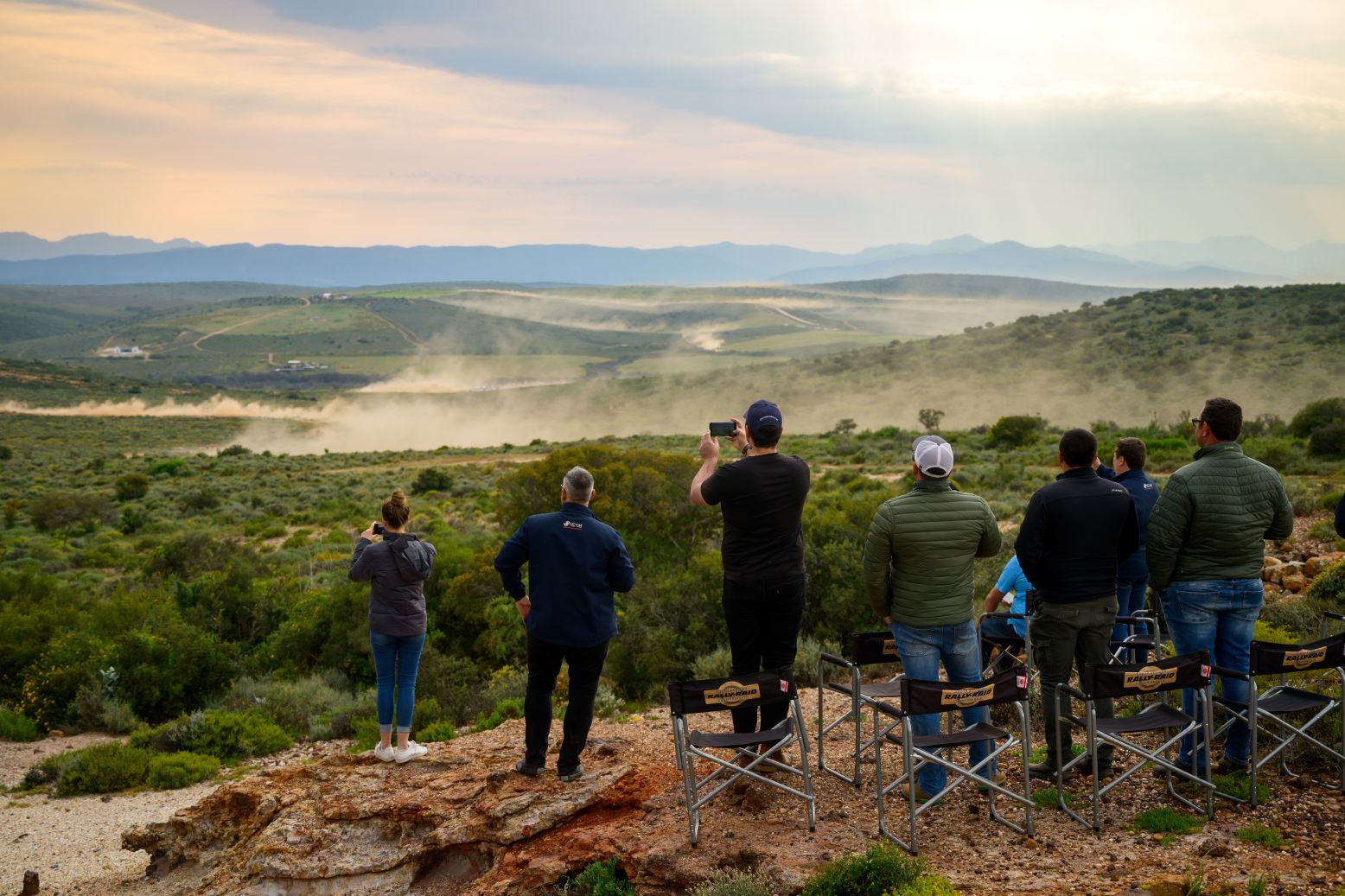 Photo: Ian Erasmus
Hennie de Klerk and Carl Swanepoel stopped to assist the crew and helped recover the vehicle, but neither crew was able to continue.
Toyota Hilux destroyed by fire
One of the most dramatic incidents of the event involved De Klerk and Swanepoel's TreasuryONE Toyota Hilux.
The pair had qualified fastest in the Ultimate SA T1+ class and were lying 10th overall overnight.
After stopping during the second stage to assist Sa'ood Variawa and Moore following their rollover, De Klerk and Swanepoel encountered trouble of their own during the final stage.
They noticed smoke coming from their vehicle before it caught fire and was eventually destroyed.
The team believes a fuel line may have burst and started the fire. Both crew members escaped safely.
Philip Botha and Andries Mynhardt, who had been leading the Ultimate SA T1+ class heading into the final day, also stopped to assist the burning vehicle. They eventually finished third in class.
18-year-old claims first class victory
One of the promising performances came from 18-year-old Nielen Marx and navigator Rikus Hattingh.
Driving a Red-Lined VK50, the pair won the T1 Adventure class in a time of 7:26:30.
It was Marx's first class victory of the season.
The crew started the final day at the back of the field but completed the entire event and were the only T1 Adventure crew to do so.
Father and son take Challenger victory
The Outeniqua 400 also provided a family motorsport story, with Century Property Developments CEO Mark Corbett competing alongside his teenage son, Max.
The pair raced a new Century Racing CRX, with the event partly serving as an introduction to rally-raid competition for Max.
Mark has approximately 30 years of racing experience, while the event offered Max an opportunity to gain experience in the demanding discipline.
The father-and-son crew finished 14th overall and won the Challenger class in 7:02:40.
Father and son win SSV class
Werner Mostert and his son Ian also celebrated a class victory.
Competing in a Can-Am Maverick, the pair won the SSV class in 7:00:07, finishing 13th overall.
For Werner, a three-time South African national cross-country champion, the event also marked a return to competition.
International crews add global flavour
The Outeniqua 400 attracted several international competitors, particularly from the Netherlands.
Michiel Becx and Sander van Barschot competed in South Africa for the first time in a Century Racing CR7 and finished an impressive sixth overall.
Dutch crews Dave and Tessa Klaassen and Herman Jasper and Markus Laan also took part in the event.
Outeniqua event builds on 2025 success
The national rally-raid championship returned to the Western Cape for the second consecutive year after the Outeniqua event was first added to the national calendar in 2025.
The inaugural event, then known as the Outeniqua 600, was the first national rally-raid event held in the Western Cape since 2011.
It subsequently received the Event of the Year award at the 2025 South African Rally-Raid awards.
This year's event presented organisers and local communities with additional challenges following the severe flooding in the Southern Cape.
Extensive work was undertaken to repair sections of the route where possible, with local communities also playing a role in road repairs.
The resulting course provided crews with a demanding combination of speed, navigation, endurance and vehicle reliability.
Understanding rally-raid
Rally-raid is an off-road motorsport discipline in which crews race across natural terrain against the clock over long distances.
Each vehicle has a driver and navigator. The navigator follows the official roadbook, which contains the route and navigation instructions, while the driver concentrates on negotiating the terrain.
Crews must also be prepared to repair damage to their vehicles during the event.
Unlike a conventional circuit race, rally-raid therefore requires more than outright speed. Navigation, endurance, mechanical reliability and the ability to deal with changing terrain are all crucial.
The discipline is perhaps best known internationally through the Dakar Rally.
The Outeniqua 400 once again demonstrated just how demanding the sport can be, with only 15 of the 25 competing crews completing the full event.
‘We bring you the latest Garden Route, Hessequa, Karoo news’