

ENVIRONMENT NEWS - Spekboom, an indigenous South African succulent, has been promoted as a powerful weapon against climate change.
However, while the plant can play an important role in restoring degraded land in the Eastern Cape, ecologists warn that its reputation as a climate-saving solution has been overstated.
The concerns come as spekboom restoration attracts significant international investment, including a US$120-million World Bank bond and a long-term carbon-credit purchase agreement with Amazon.
The projects are intended to restore tens of thousands of hectares of degraded land in the Eastern Cape, but researchers say questions remain about the accuracy of carbon-sequestration estimates, the survival of planted cuttings and the transparency of the commercial arrangements.
For the Garden Route and Klein Karoo, the message is particularly relevant: restoring indigenous vegetation and removing invasive alien plants may offer greater ecological benefits than introducing spekboom into areas where it does not naturally occur.
Where spekboom makes a difference
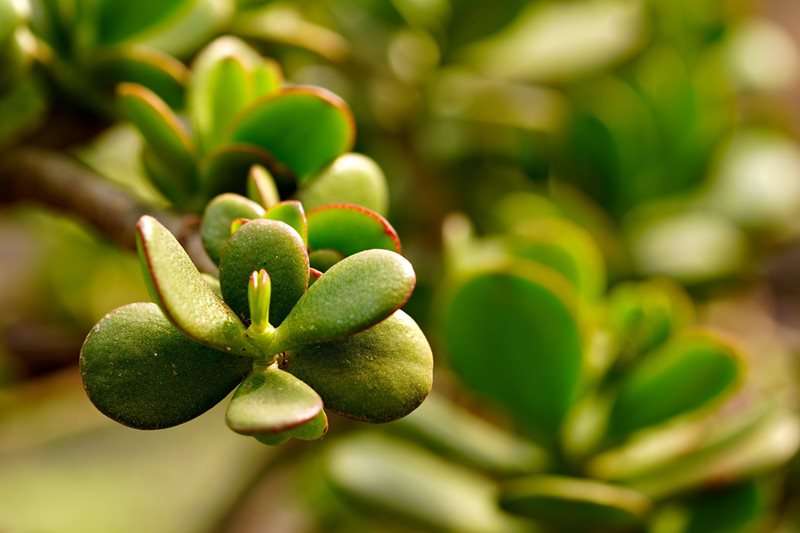
Spekboom (Portulacaria afra) is a drought-resistant succulent that forms part of the Albany thicket biome in South Africa's south-east. Its fleshy, edible leaves have a tangy flavour, and the plant is well adapted to the dry conditions in which it naturally grows.
Research published in 2021 by researchers at Nelson Mandela University and Stellenbosch University estimated that intact spekboom thicket can store about 200 tonnes of carbon per hectare.
Much of this vegetation has been degraded by livestock farming, particularly goat browsing. By 2000, an estimated 45% of spekboom thicket had been altered, with losses exceeding 80 tonnes of carbon per hectare in affected areas.
Restoration can be difficult because degraded thicket does not necessarily regenerate on its own. Planting spekboom cuttings can help restart the process by providing shade, allowing leaf litter to rebuild the soil and improving water infiltration.
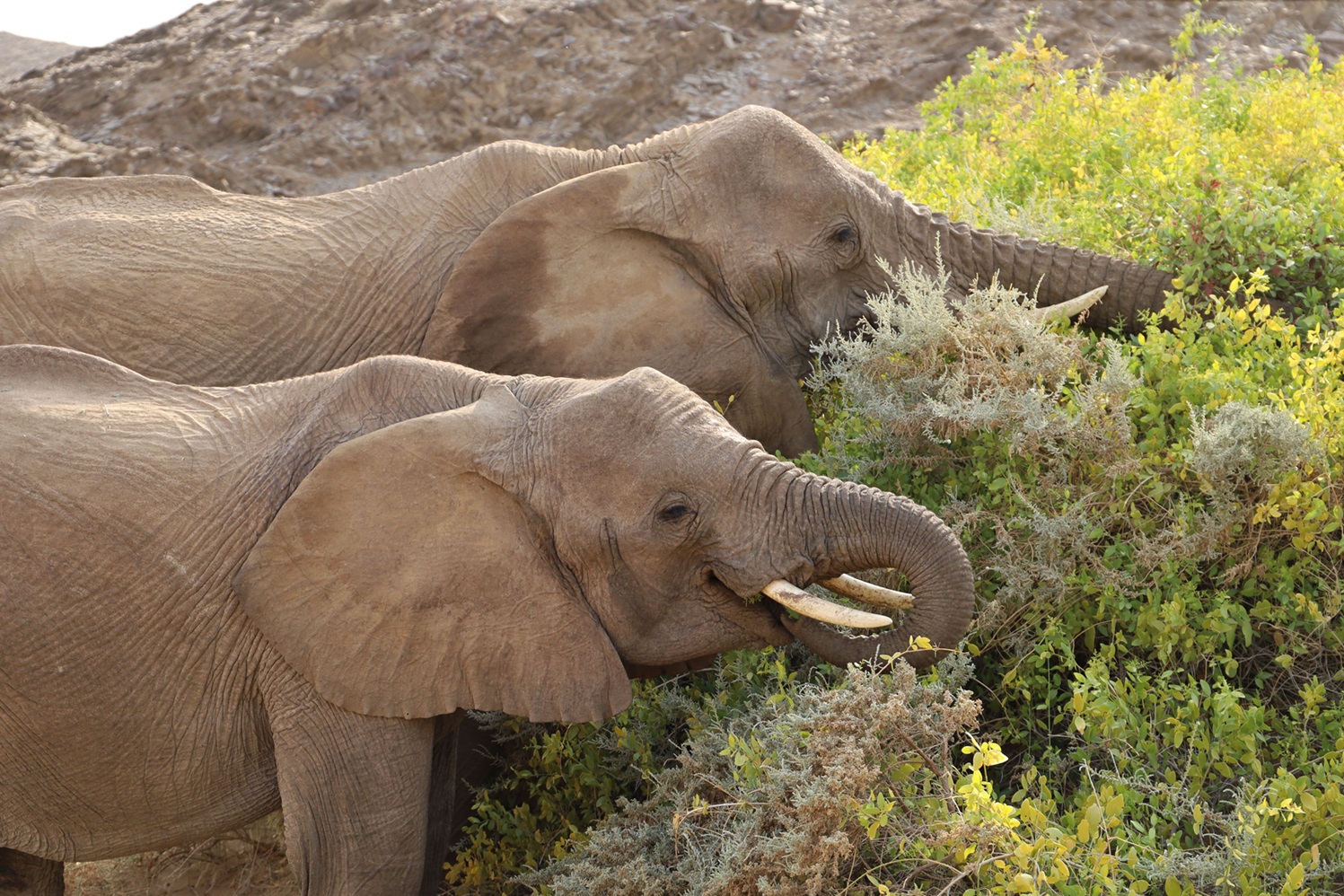 Elephants grazing.
Over several decades, other indigenous thicket species can return beneath the developing vegetation.
This is a genuine ecological benefit, but it does not establish that spekboom is a uniquely effective carbon sink.
Researchers point out that the plant does not necessarily remove more atmospheric carbon than other trees and vegetation in the same ecosystem. Its value lies primarily in helping restore a particular type of degraded habitat.
The problem with planting spekboom everywhere
Spekboom naturally occurs within a defined geographical range, broadly between the Fish and Gouritz rivers. Planting it beyond this range does not automatically restore the local ecosystem and may undermine indigenous biodiversity.
Dr Christina Mars of the Hessequa Herbarium says the popularity of spekboom has encouraged planting in places where the species does not belong.
She argues that successful restoration depends on ecological diversity rather than large-scale planting of a single species. In its natural habitat, spekboom provides conditions in which other thicket plants can establish themselves.
Outside that environment, however, it may offer little benefit to the local ecosystem.
Mars also questions the broader role of carbon credits, arguing that they can allow companies to continue emitting carbon while presenting themselves as environmentally responsible.
 Spekboom
The concern reflects a wider problem in restoration initiatives: ambitious tree-planting targets can take precedence over understanding the natural vegetation of a particular landscape.
A 2021 investigation into global tree-planting campaigns found that some projects introduced trees into grasslands, savannas and shrublands where they had not naturally grown. Such interventions can damage biodiversity and affect existing carbon stores.
The principle, as University of Cape Town grassland ecologist William Bond has put it, is to plant the right tree in the right place for the right reasons.
In practice, that means restoring the vegetation that naturally belongs in an area rather than treating one species as a universal solution.
What this means for the Garden Route and Klein Karoo
Dr Wilhelm de Beer of the Gouritz Cluster Biosphere Reserve in Riversdale believes the priorities for local conservation should be guided by the needs of the region's natural ecosystems.
He argues that removing invasive alien plants and rehabilitating indigenous vegetation can deliver greater long-term benefits than introducing spekboom into areas outside its natural range.
The choice, he says, should be between investing in the restoration of the vegetation that belongs in a landscape and introducing an additional species simply because it has become associated with carbon sequestration.
This distinction matters in a region with varied natural vegetation and ecosystems that face their own conservation pressures. A plant that is beneficial in one biome is not necessarily appropriate in another.
The objective should be to restore natural biodiversity, control invasive species and protect existing indigenous vegetation.
Restoration must suit the local environment
In the Garden Route and Klein Karoo, conservation priorities should be guided by the natural vegetation of each area. Spekboom occurs naturally in parts of the Little Karoo and wider region, but planting it is not appropriate everywhere.
Experts emphasise the importance of restoring indigenous vegetation suited to the specific habitat and controlling invasive alien plants, rather than promoting any single species as a universal climate solution.
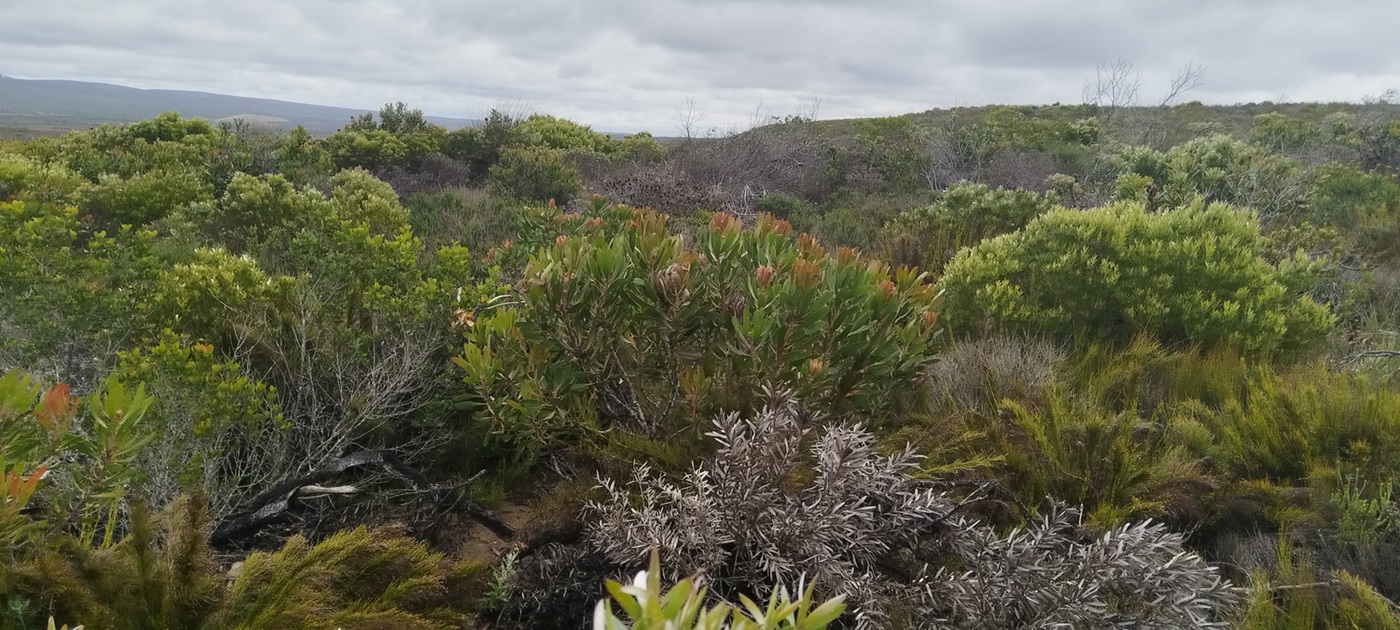 A plant that is beneficial in one biome is not necessarily appropriate in another.
Carbon credits under scrutiny
The growing commercial interest in spekboom has added another layer to the debate.
In April, the World Bank priced a US$120-million bond linked to a 50,000-hectare restoration project. The initiative promises to create 11,000 jobs, while its developer, Imperative Global Solutions, has a longer-term goal of restoring 100,000 hectares within four to five years.
Amazon has agreed to purchase a portion of the carbon-removal credits generated by the project over more than a decade. Part of the bondholders' return is linked to carbon-credit revenue.
The project's backers point to its registration under Verra's Verified Carbon Standard and a favourable assessment by BeZero Carbon. The financial structure also links part of the investors' return to planting success.
However, some commercial details, including the price paid for credits and the share of revenue received by landowners, have not been publicly disclosed. This makes independent scrutiny more difficult.
There are also scientific uncertainties. Research into spekboom restoration has produced variable results, with survival rates affected by habitat, light browsing and planting conditions.
In one experiment involving 300 plots across the biome, the 40 plots with the most favourable conditions recorded survival rates of about 45% for large cuttings and 25% for small cuttings after roughly three years. Some plots recorded no surviving plants.
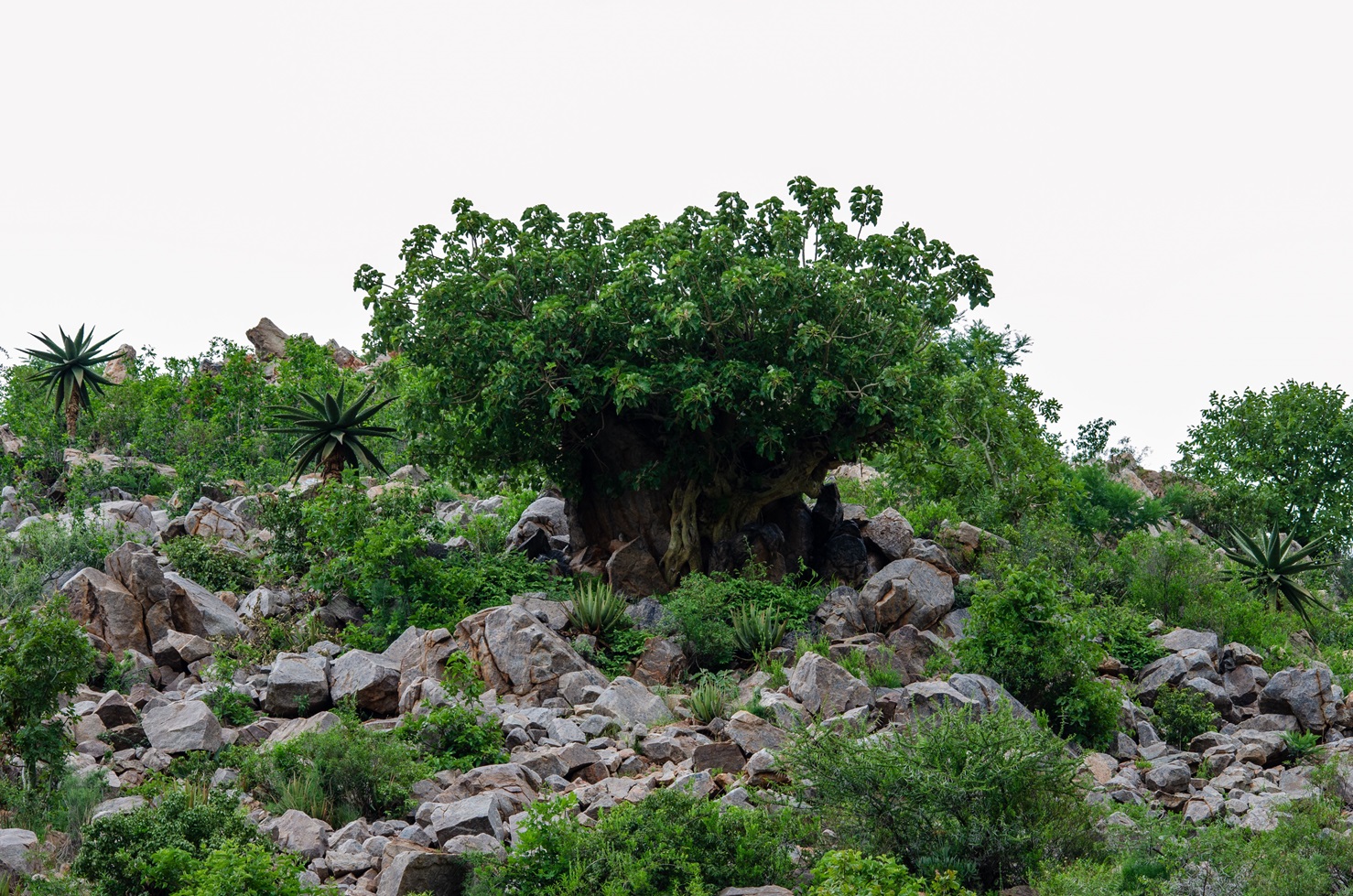 Natural vegetation.
Estimates of carbon sequestration in established stands range from 1.4 to 4.5 tonnes of carbon per hectare annually, equivalent to approximately 5 to 16.5 tonnes of carbon dioxide. Different projects use different assumptions, and the estimates depend on cuttings surviving and vegetation developing as expected.
If carbon yields are overestimated or the restored vegetation fails to survive, the number of credits issued may not accurately reflect the carbon removed from the atmosphere.
Concerns about carbon-credit integrity extend beyond spekboom. A 2025 review by researchers at the University of Oxford and the University of Pennsylvania identified recurring problems in carbon-offset schemes, including questions about permanence, double counting and whether claimed reductions would have happened without the projects.
A 2023 study published in Science, examining 26 avoided-deforestation projects across six countries, also found that most had not significantly reduced deforestation and that the reductions achieved were smaller than claimed.
These findings do not establish that every carbon-credit project is ineffective. They do, however, highlight the need for reliable measurements, independent verification and transparent reporting.
Restoration must come before marketing
Supporters of spekboom carbon projects argue that carbon finance can provide funding for restoration on a scale that would otherwise be difficult to achieve. Because degraded thicket may not recover naturally, carefully managed planting can deliver meaningful ecological benefits.
The challenge is ensuring that commercial incentives do not distort the purpose of the work.
A successful restoration project should be judged not simply by the number of cuttings planted or the volume of carbon credits sold, but by whether the ecosystem recovers, indigenous biodiversity returns and carbon remains stored over the long term.
Researchers involved in restoration have also advocated planting at lower densities in some areas so that spekboom does not crowd out other species. The goal is a diverse, functioning thicket rather than a monoculture.
For conservationists, landowners and investors, transparency is essential. Carbon estimates must be supported by sound evidence, planting outcomes must be monitored, and the limitations of carbon offsets must be acknowledged.
An offset does not eliminate the emissions produced by the company buying it. The buyer continues to emit, while relying on the project to compensate for some of those emissions.
That makes it important to distinguish between funding worthwhile ecological restoration and claiming that a project cancels out the environmental impact of continued emissions.
 Carbon emissions.
A useful plant, not a climate cure
Spekboom's reputation as a climate solution is not without foundation. In the right conditions, it can help restore degraded Albany thicket and support the return of other indigenous species. Carbon finance may also provide a means of funding restoration at scale.
But its benefits are geographically specific, and the science does not support treating it as a miracle plant capable of solving the climate crisis.
Gill Simpson, founder and director of the Wild Rescue nature reserve, argues that climate action must be based on evidence rather than fashionable solutions that promise more than they can deliver.
She believes spekboom has a legitimate role in restoring degraded Albany thicket, but warns against allowing enthusiasm for carbon credits to overshadow the need for measurable, science-based conservation.
For the Garden Route and Klein Karoo, the practical lesson is clear: protecting natural vegetation, restoring degraded habitats and controlling invasive alien plants should take precedence over planting spekboom simply because it has been marketed as a carbon sink.
Spekboom can be part of the solution where it belongs. It cannot replace the need to reduce emissions at their source, protect biodiversity and pursue effective climate policies.
As the international focus on climate action intensifies, the priority should be to invest in interventions that deliver verifiable results, rather than allowing a single plant to become a substitute for the much broader work required.
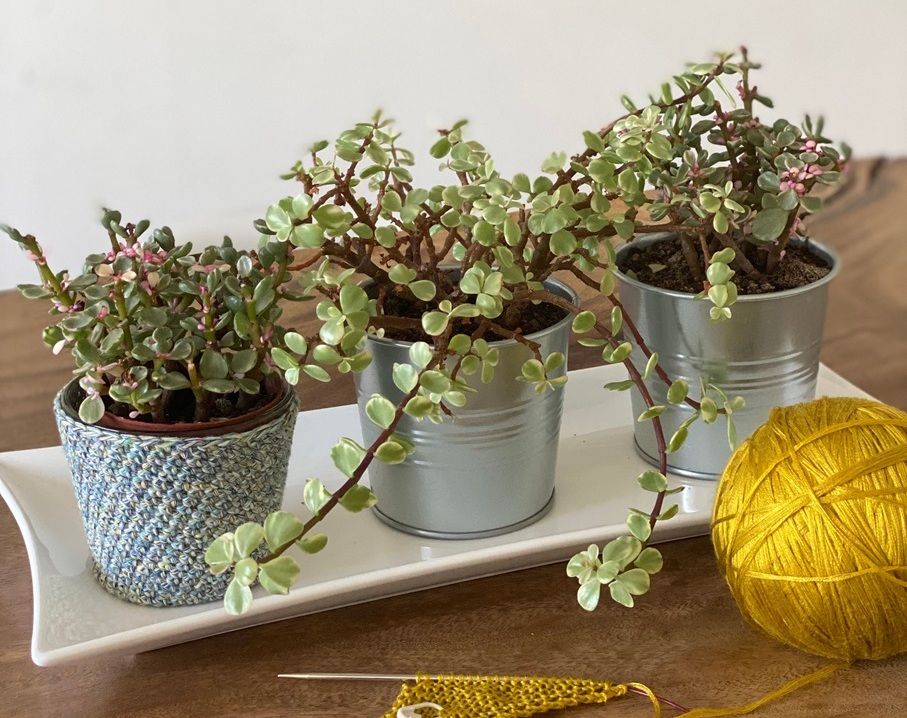 Spekboom can be part of the solution where it belongs. Photos: Supplied
‘We bring you the latest Garden Route, Hessequa, Karoo news’