

GARDEN ROUTE NEWS - Organ and tissue donation and transplantation have formed part of healthcare in the Western Cape for decades, giving people living with serious illnesses and organ failure the opportunity to live longer and healthier lives.
The province also has a proud history in transplant medicine, including the world’s first human-to-human heart transplant, performed at Groote Schuur Hospital in Cape Town in 1967.
Behind every deceased organ donation, however, is a deeply personal decision.
For many families, one of the most difficult questions they may ever face is:
“Would your loved one have wanted to donate their organs or tissue to help someone else?”
For some, the answer may simply be: “We don’t know.”
One conversation can make a life-changing difference
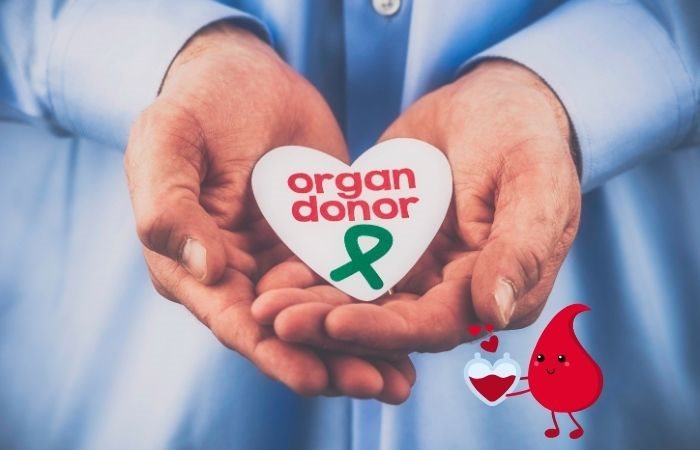
The Western Cape Department of Health and Wellness is urging residents to talk to their loved ones about their wishes around organ donation.
Organ and Tissue Donation Awareness Month provides an opportunity for families to have this conversation long before it may ever be needed.
Organ and tissue donation can save a life or significantly improve someone's quality of life. A single donor may also have the potential to help several people.
For a transplant recipient, receiving an organ can mean returning home to family, going back to school or work, reaching important milestones and having more time with loved ones.
It can offer someone another opportunity to start well, live well and ultimately age well.
But every life-changing deceased donation begins with a decision.
Families need to know your wishes
Discussing organ donation in advance can help families make informed decisions during an incredibly difficult time.
One of the barriers to deceased organ and tissue donation is that families may not know what their loved one wanted.
When families have already discussed donation, they do not have to guess those wishes while dealing with grief. Instead, they can draw on a conversation they have already had.
Western Cape Minister of Health and Wellness Mireille Wenger encouraged residents to make the discussion part of caring for those closest to them.
“None of us wants to imagine losing someone we love, but speaking to our families about our wishes is an act of care. It is a simple conversation that can help those closest to us understand what we would want and, through organ and tissue donation, could one day give another person more time with their loved ones. Have you spoken with your family about organ donation?”
Organ donation is a personal choice
The Western Cape Department of Health and Wellness says residents should make an informed decision based on their own cultural, religious and personal beliefs.
Organ and tissue donation is a personal choice, and the Department recognises and respects the different beliefs and values that may influence an individual's decision.
The awareness campaign is not about telling people what choice to make, but about encouraging them to make an informed decision and share it with their loved ones.
Donation can take different forms. In appropriate circumstances, some organs can be donated by living donors, while deceased donors can donate organs and tissues after death.
The campaign particularly focuses on encouraging families to discuss their wishes regarding deceased donation before they are ever faced with such a decision.
Common misconceptions about organ donation
Medical teams always prioritise saving a patient's life, while deceased donation is only considered after death has been confirmed through the required medical and legal processes.
There are misconceptions that can make conversations about organ donation difficult.
A person's medical care and efforts to save their life always come first. Deceased organ donation is only considered after death has been confirmed in accordance with the required medical and legal processes.
Families also remain central to the donation process.
Dr Keith Cloete, Head of the Western Cape Department of Health and Wellness, said organ and tissue donation is an established part of the healthcare system and relies on people making a deeply personal decision to help others.
“It is a powerful expression of a caring community, where one person's decision has the potential to change the lives of several others. We appreciate every individual and family who walks this journey,” Cloete said.
Have you had the conversation?
Residents are encouraged to speak to their loved ones this month – before illness, tragedy or an emergency makes the conversation necessary.
The Department says the discussion does not have to be complicated.
Simply ask:
“If something ever happened to me, would you know what I wanted?”
Then tell your loved ones what you would want too.
I've spoken to my loved ones about organ donation. Have you?
Sometimes, one conversation can give someone else another chance at life.
‘We bring you the latest Garden Route, Hessequa, Karoo news’