

BUSINESS NEWS - South Africa generates more than 107 million tonnes of waste every year, with women playing a significant but often overlooked role in keeping recyclable material out of landfill.
As the country marks Women’s Month, the Institute of Waste Management of Southern Africa (IWMSA) is calling for greater recognition of women across the waste sector – and for more opportunities for them to move into leadership and decision-making positions.
Women do the work, but remain underrepresented in leadership
Women make up a significant proportion of workers in South Africa’s recycling and waste economy, yet remain underrepresented in the structures where decisions about the sector are made.
Waste collection and recycling remain heavily feminised at ground level.
Studies at buy-back centres have found that women make up more than half of workers at recycling drop-off points, while thousands more women support their households through informal waste reclaiming.
However, formal governance structures, boardrooms and leadership positions across the industry paint a different picture.
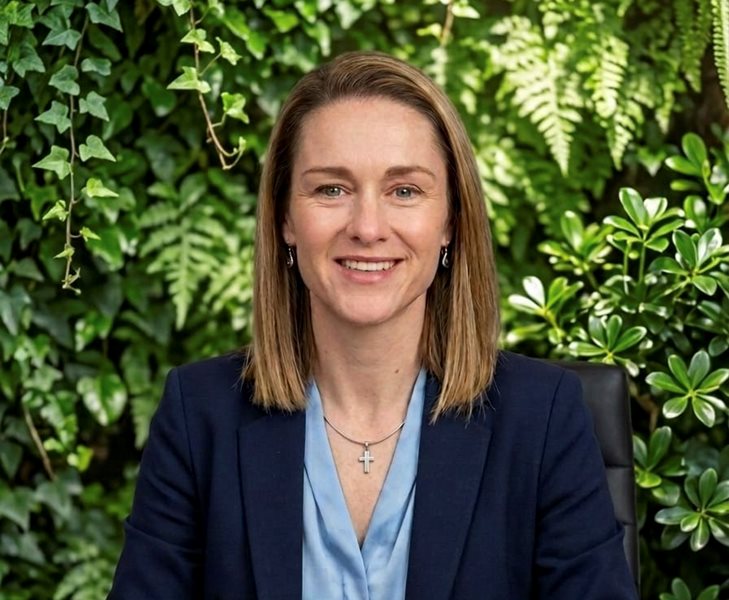
“There's a real disconnect between who does the work and who shapes the policy,” says Rochelle Clarke, incoming Chairperson of the Eastern Cape branch of the IWMSA.
“Women are the sector's backbone, but too often they're invisible in the rooms where waste management's future is decided.”
Women waste reclaimers face structural barriers
Safety concerns, unequal access to higher-value materials, unstable incomes and limited opportunities continue to restrict women’s advancement in the informal waste economy.
Research into South Africa’s informal waste economy points to a consistent pattern.
Women reclaimers are often concentrated in lower-paying and less mobile sorting work, while the collection of higher-value recyclable materials remains predominantly male-dominated.
Safety is another major concern, with women reclaimers facing harassment and violence while carrying out their work.
These challenges are compounded by a lack of formal recognition, unpredictable income and limited access to finance, skills development and training.
According to the IWMSA, these are structural barriers that require deliberate intervention rather than individual solutions.
Four opportunities to empower women in waste management
The waste sector can create greater opportunities for women by formalising informal work, developing skills and opening pathways into leadership.
- Formal integration of waste reclaimers: Bringing reclaimers into municipal waste systems could provide women with legal recognition, safer working conditions and a more stable income.
- Skills development and mentorship: Creating pathways into technical, engineering and management positions within formal waste companies could help women progress beyond entry-level roles.
- Leadership pipelines: Increasing women's representation in industry bodies and municipal structures would ensure that their experience and knowledge contribute to decision-making.
- Support for women-led businesses: Greater support for women-owned enterprises in recycling, buy-back centres and circular economy ventures could unlock new opportunities for entrepreneurship.
“Women are already carrying the industry”
The IWMSA says the focus should not be on convincing women that they belong in waste management, but on removing the barriers that prevent them from progressing.
“Women don't need to be convinced they belong in this industry. They're already carrying it,” says Clarke.
“What we need is for the sector to catch up: to formalise their work, invest in their advancement, and put them in leadership positions they've earned many times over.”
IWMSA calls for action during Women’s Month
Waste companies, municipalities and industry stakeholders are being urged to turn recognition into practical action.
This Women's Month, the IWMSA is calling on organisations across the waste management sector to examine where women are positioned within their structures and identify meaningful ways to improve representation.
The organisation says change should include safer working conditions for waste reclaimers, greater access to skills and training, support for women-led businesses and genuine representation in leadership positions.
Recognising the women who already keep South Africa’s waste economy functioning could be an important step towards building a more inclusive, sustainable and representative waste sector.
‘We bring you the latest Garden Route, Hessequa, Karoo news’