

ENVIRONMENT NEWS - One of the richest concentrations of plant life on Earth is being celebrated far beyond South Africa’s borders, as France’s historic Monnaie de Paris turns its attention to Table Mountain and the extraordinary Cape Floral Region.
It may be the smallest of the world’s six recognised floral kingdoms, but when it comes to plant diversity, the Cape Floral Kingdom punches spectacularly above its weight.
Covering less than 0,5% of the African continent, the Cape Floral Region is home to nearly 20% of Africa’s flora.
Around 9 000 plant species occur within the region, and approximately 69% are endemic - meaning they are found nowhere else on Earth.
Now this remarkable botanical landscape has inspired a new international collectable coin series.
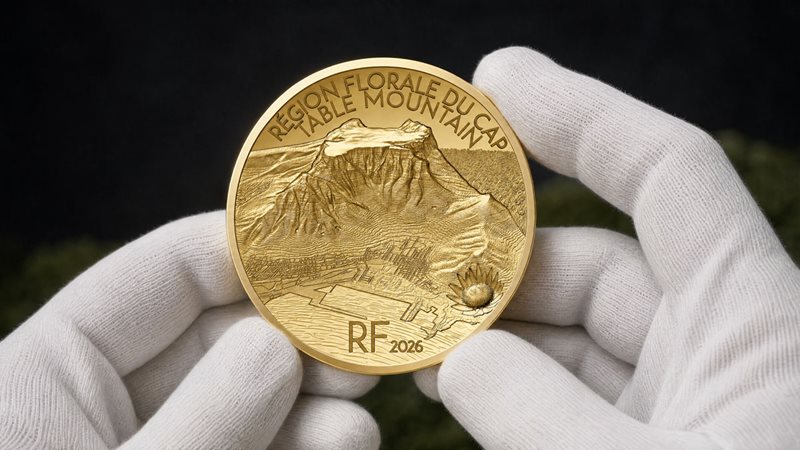
For its 2026 Unesco World Heritage Series, Monnaie de Paris - one of the world’s oldest continuously operating mints - has chosen to honour Table Mountain and the Cape Floral Region Protected Areas, a Unesco World Heritage Site since 2004.
The new collection places one of South Africa’s most recognisable landscapes at the centre of its design. Table Mountain anchors the composition, surrounded by imagery evoking the rich plant life and protected landscapes of the region.
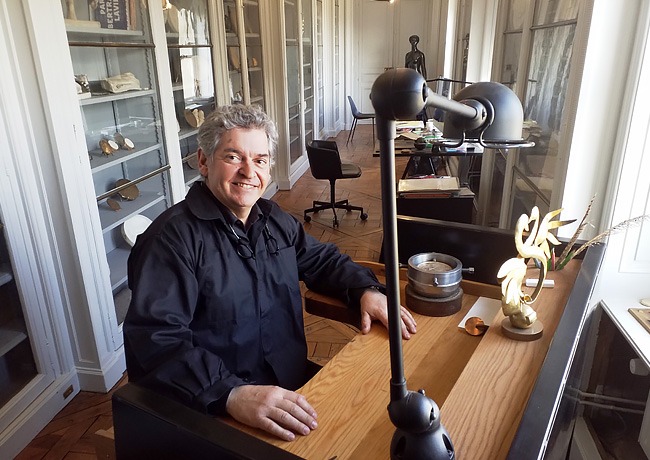 Joaquin Jimenez, chief engraver and director of artistic creation at Monnaie de Paris. Photo: supplied
It is a particularly fitting tribute to a place Unesco describes as one of the world’s great centres of terrestrial biodiversity.
A landscape built around plants
At the heart of the Cape Floral Kingdom is fynbos - the distinctive vegetation that gives much of the Cape its unmistakable character.
Proteas may be its most famous ambassadors, but they are only one part of a remarkably complex botanical picture.
The region is also renowned for its ericas, restios, buchus, bulbs, pelargoniums and other flowering plants, many of which occur nowhere else.
These plants have evolved within a landscape shaped by nutrient-poor soils, winter rainfall, dry summers and periodic fire.
Far from simply surviving these conditions, many species have evolved remarkable ways of responding to them.
Fire, for example, is an important natural ecological process within fynbos. Certain plants regenerate from underground structures after a burn, while others rely on fire-related cues to release or germinate their seeds.
It was this relationship between form, ecology and resilience that particularly captured the imagination of Joaquin Jimenez, chief engraver and director of artistic creation at Monnaie de Paris, during the development of the coin.
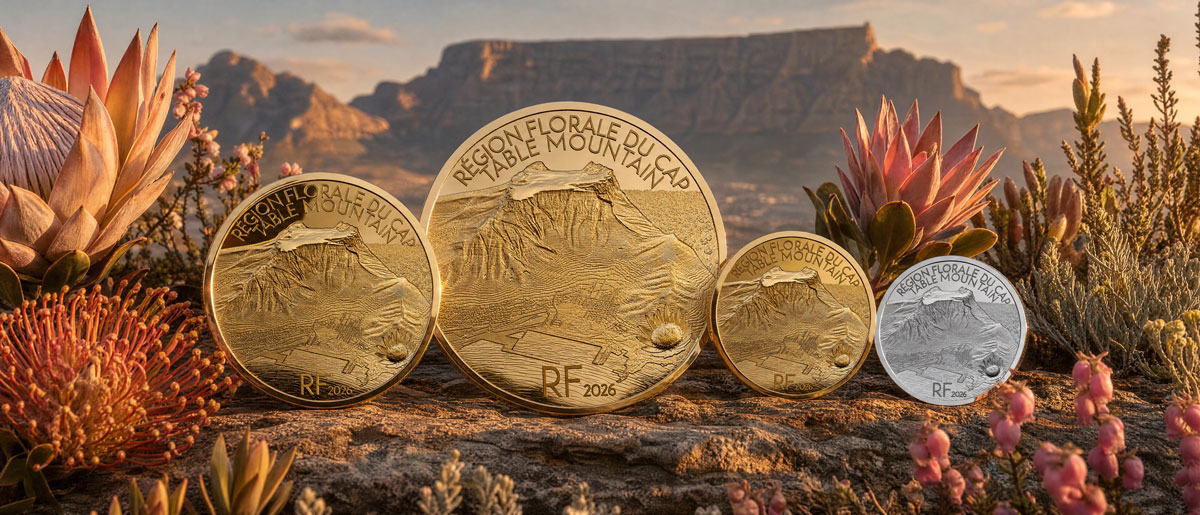 The 2026 Unesco World Heritage Series: Table Mountain & the Cape Floral Region
“The King Protea (Protea cynaroides) made a lasting impression. Its bold, crown-like structure translates beautifully into relief on metal. But beyond its physical shape, I was fascinated by its relationship with fire - how it needs the heat of bushfires to release its seeds and regenerate.
"Capturing that extraordinary resilience in a few millimetres of engraved metal was a wonderful challenge.”
This intricate relationship between plants, climate, geology, pollinators and fire is part of what makes the Cape Floral Region so important scientifically as well as visually.
Today, the Unesco World Heritage Site comprises 13 protected-area clusters covering more than one million hectares. Together, they protect exceptional examples of the Cape Floral Region’s unique ecosystems.
Proteas are only the beginning
For many people outside South Africa, fynbos is synonymous with the protea. But gardeners and botanists know that the Cape Floral Kingdom is far richer and more diverse than its best-known floral emblem suggests.
Among its botanical treasures are:
Ericas
The Cape is an extraordinary centre of diversity for the Erica genus. From delicate bell-shaped blooms to intensely coloured tubular flowers, these plants are a defining feature of many fynbos landscapes.
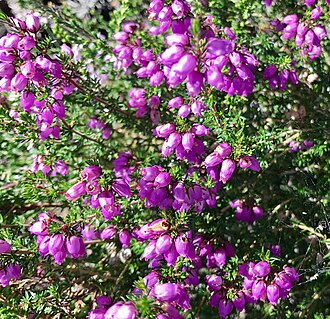 Ericas Photo: Wikipedia
Restios
Often described as reed-like, restios bring texture and architectural structure to the landscape. They are particularly characteristic of the Cape flora and have also become increasingly familiar in contemporary landscape design.
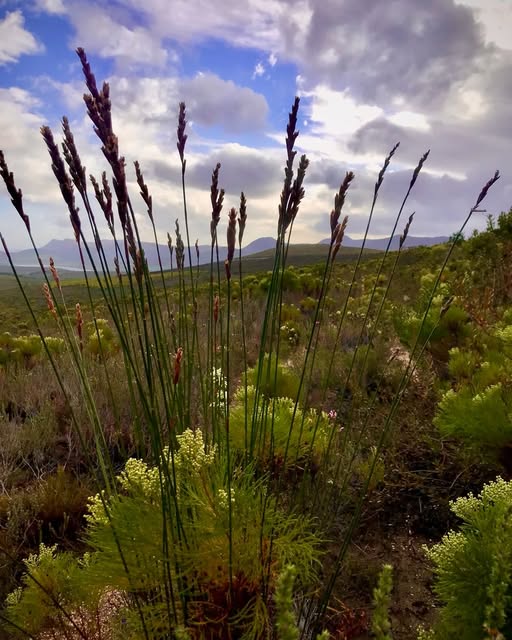 Restios Photo: Farm 215 Nature retreat & Fynbos Reserve
Buchus
Traditionally valued for their aromatic leaves, buchus form part of the distinctive scent and texture of the fynbos landscape and have a long association with indigenous knowledge and use.
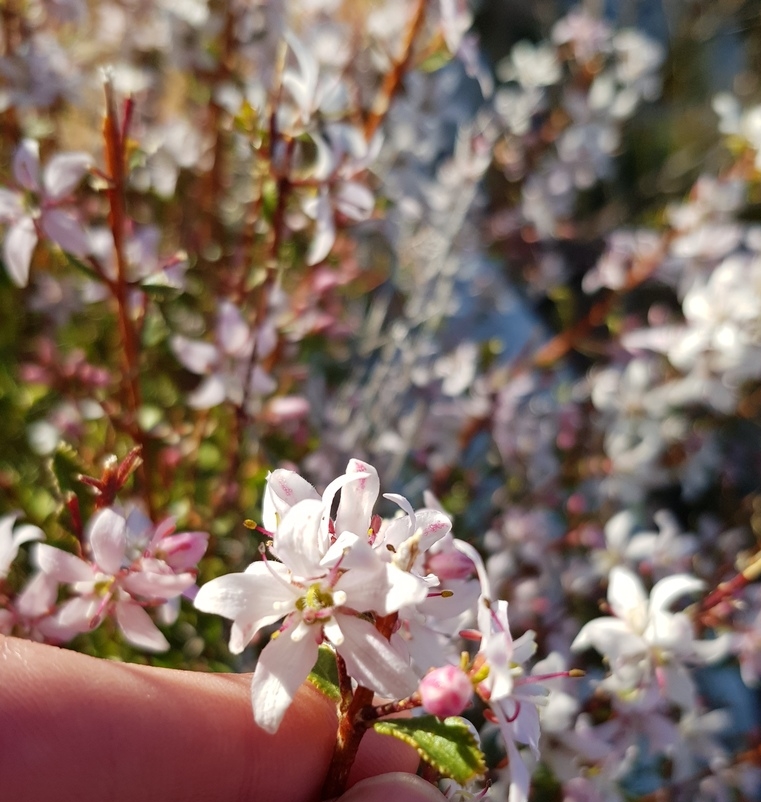 Buchus Photo: lomond.co.za
Bulbs and geophytes
The Cape is celebrated internationally for its extraordinary diversity of bulbs and other geophytes. Gladioli, watsonias and numerous other species can transform seemingly understated landscapes into spectacular seasonal displays.
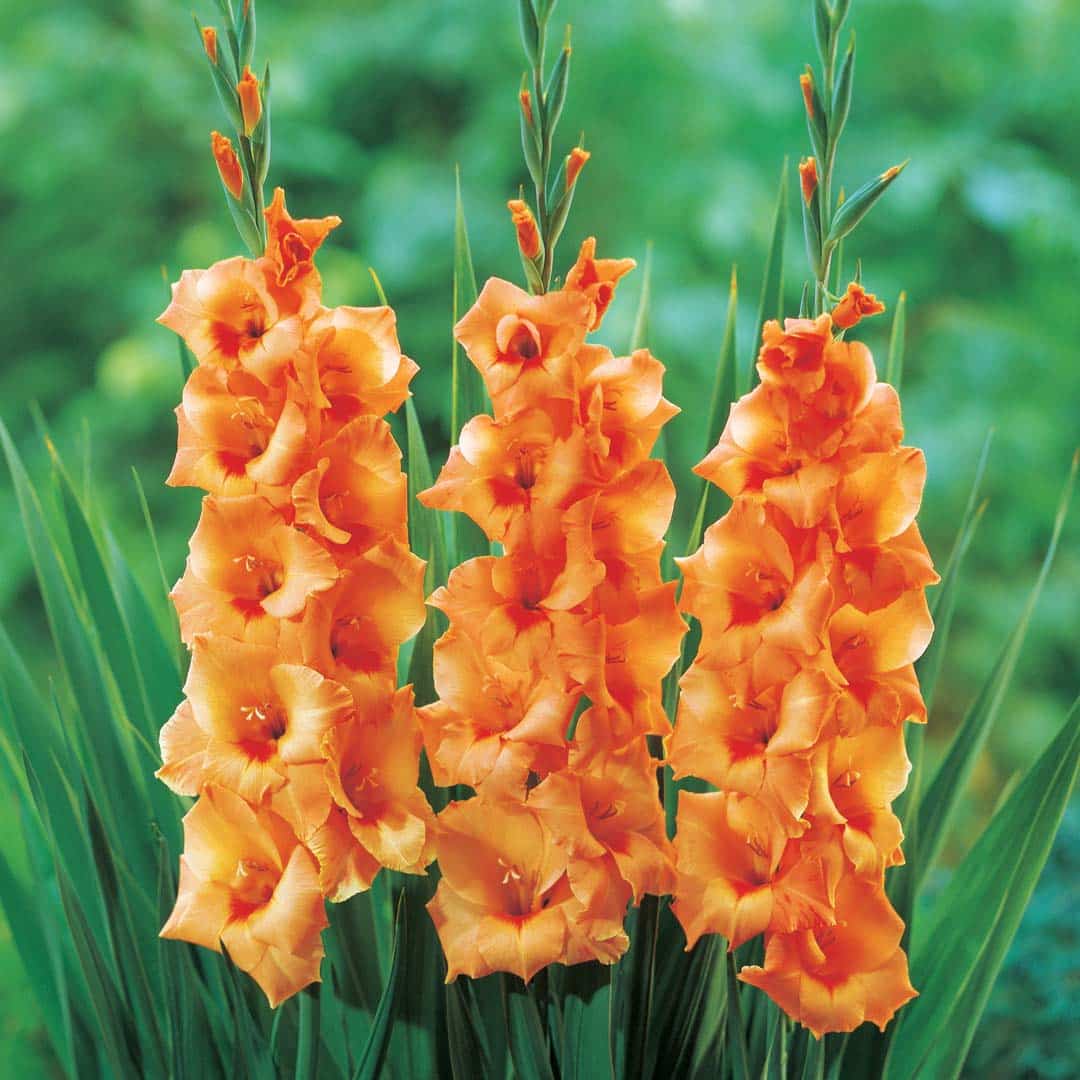 Gladioli Photo: Lowensvlei Flower Farm
Pelargoniums
Many of the plants gardeners around the world know as geraniums have their origins in southern Africa. Pelargoniums form another important part of the region’s botanical heritage.
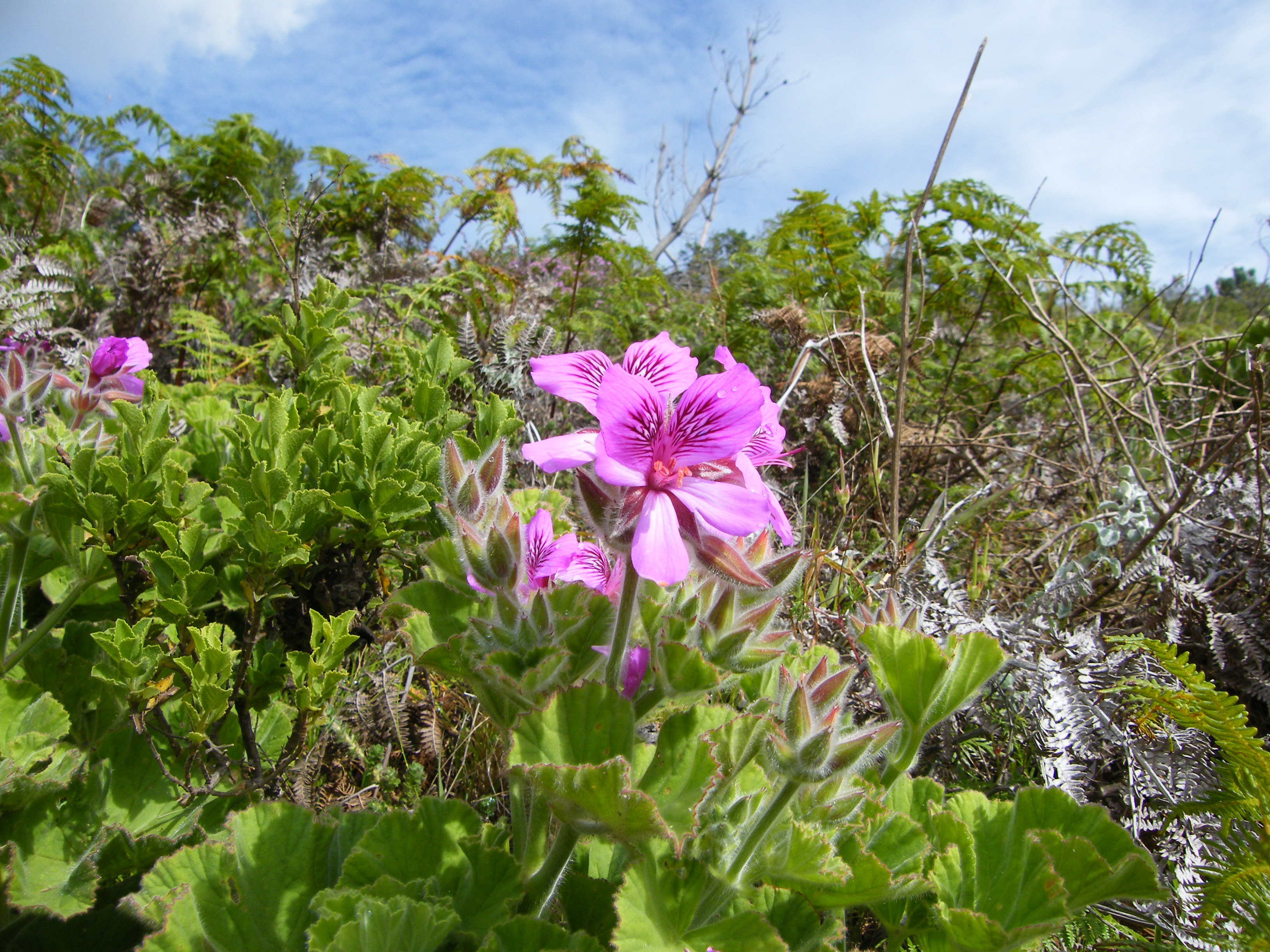 Pelargoniums Photo: Wikipedia
The Red Disa
One of the Cape’s most striking indigenous orchids, the Red Disa is closely associated with mountain streams and the wetter areas of the Cape. Its vivid scarlet flowers have made it one of the region’s most recognisable botanical icons.
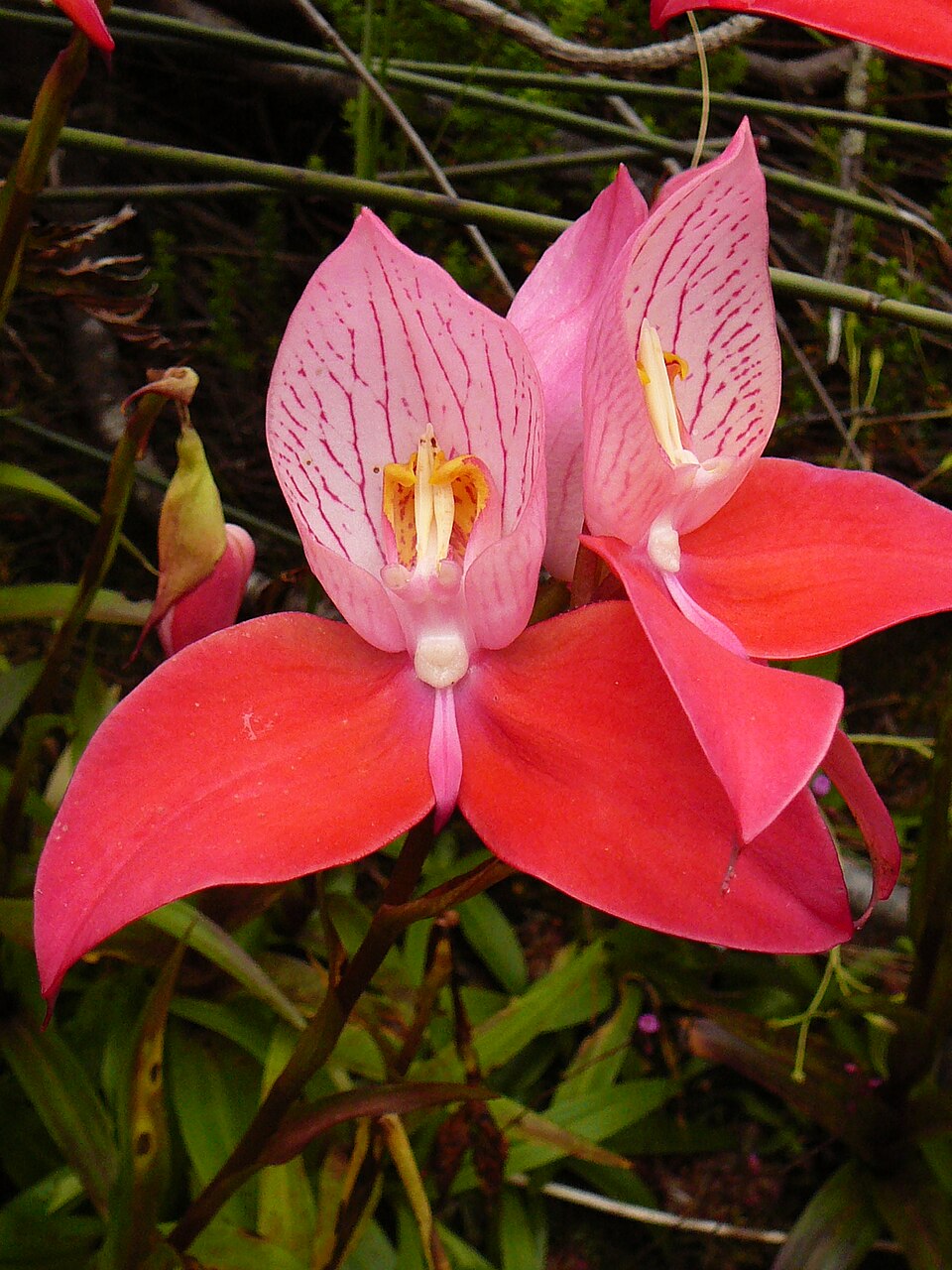 Red Disa Photo: Wikipedia
Together, these plants help explain why the Cape Floral Kingdom attracts botanists, horticulturists and plant enthusiasts from around the world.
Five fast facts about the Cape Floral Kingdom
- It is one of only six floral kingdoms in the world. It is by far the smallest and, according to Unesco, relatively the most diverse.
- Nearly 7 out of 10 plant species are found nowhere else. Around 69% of the region’s estimated 9 000 plant species are endemic.
- Tiny area. Enormous diversity. The region represents less than 0.5% of Africa’s land area, but contains nearly 20% of the continent’s flora.
- Fynbos is far more than proteas. Its botanical richness includes ericas, restios, buchus, pelargoniums, bulbs, orchids and thousands of other species.
- Fire is part of the story. Many fynbos species have evolved alongside periodic fire. Rather than simply destroying the landscape, appropriately timed fire helps drive regeneration and renewal within these ecosystems.
A South African story, recognised in France
The decision by Monnaie de Paris to feature the Cape Floral Region in its Unesco World Heritage Series gives this remarkable South African natural treasure an international platform, highlighting the universal importance of a site where nature, landscape and biodiversity converge.
For gardeners, botanists and plant lovers, the appeal goes beyond the traditional world of coin collecting.
The series captures something deeply familiar to South Africans in an unexpected medium: a landscape whose botanical richness is as remarkable as the mineral wealth that has long shaped the country’s heritage and economy.
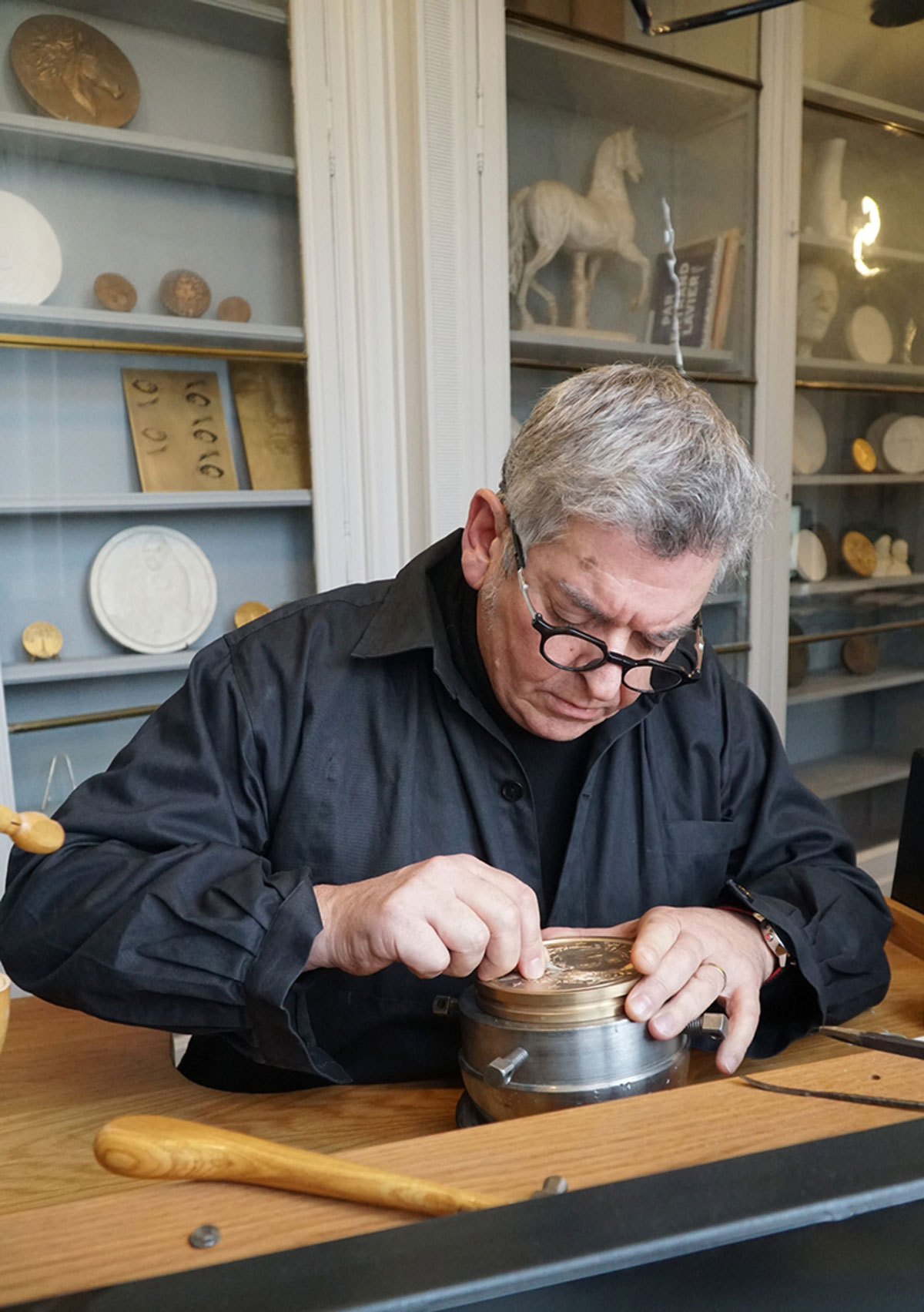 For Jimenez, however, the significance of the coin ultimately extends beyond its design. Photo: supplied
“I hope this coin tells a story of stewardship and enduring wonder. It is a miniature archive of our planet’s natural heritage," says Jimenez.
"Decades or even centuries from now, I hope whoever holds this coin remembers that art and nature are deeply intertwined, and that the natural treasures of the Cape Floral Region are worth preserving for generations to come.”
The 2026 Unesco World Heritage Series: Table Mountain & the Cape Floral Region is available in South Africa exclusively through The Scoin Shop.
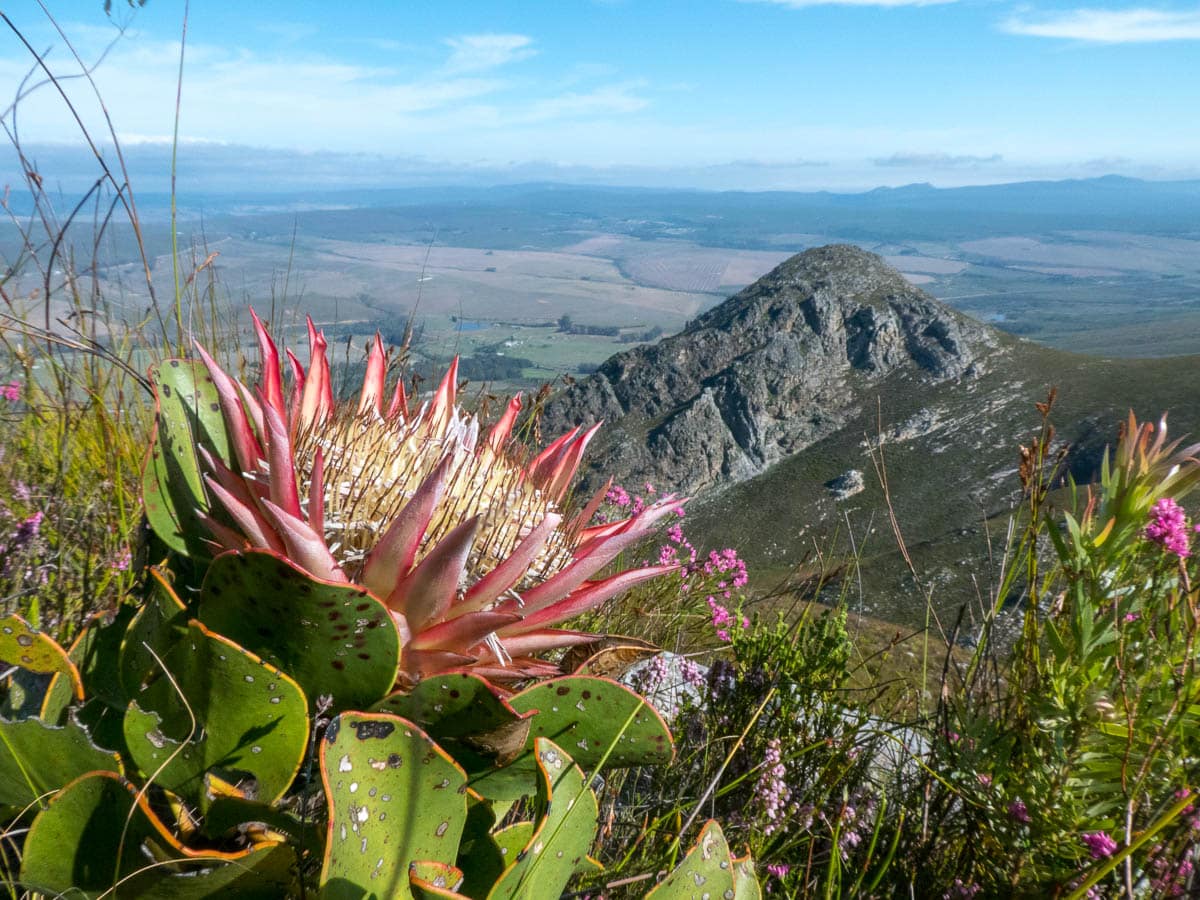 King Protea Photo: phillipskop.co.za
‘We bring you the latest Garden Route, Hessequa, Karoo news’