


LIFESTYLE NEWS - When Jessica Lukoji (13) and Amara Bedja (2) were born, their parents immediately noticed that their feet looked different.
Like many families receiving a clubfoot diagnosis, they were worried about what the future might hold.
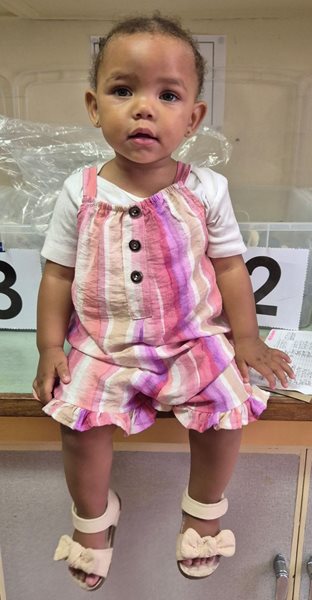
Today, Jessica enjoys school and dancing, while Amara runs and plays like any other child.
Their stories are powerful reminders that clubfoot is highly treatable when diagnosed and managed early.
World Clubfoot Day, observed annually on 3 June, raises awareness about clubfoot and the importance of early diagnosis and timely treatment.
Clubfoot, medically known as congenital talipes equinovarus, occurs when one or both feet are turned inward and downward at birth. While it may appear severe, it is one of the most successfully treated congenital orthopaedic conditions.
“Clubfoot is a highly treatable condition when identified early and managed appropriately,” says Professor Anria Horn, Paediatric Orthopaedic Surgeon at Red Cross War Memorial Children's Hospital (RXWMCH).
“With increased awareness and timely intervention, we can ensure that every child has the opportunity to walk, run and live a full, active life.”
Jessica's mother, Corbette Lukoji, remembers the fear she felt when her daughter was born with clubfoot.
“We feared for her future and wondered if she would ever walk. But after being referred to a specialised clinic, we learned that clubfoot could be corrected. Today, Jessica is a happy, active teenager. My message to parents is simple: seek treatment early, follow the treatment plan and never lose hope.”
Similarly, Shanon Bedja says she was shocked when her daughter Amara was diagnosed at birth.
“The clinic team reassured us that clubfoot is treatable. Today, Amara walks and runs like any other child. The earlier treatment starts, the better the outcome.”
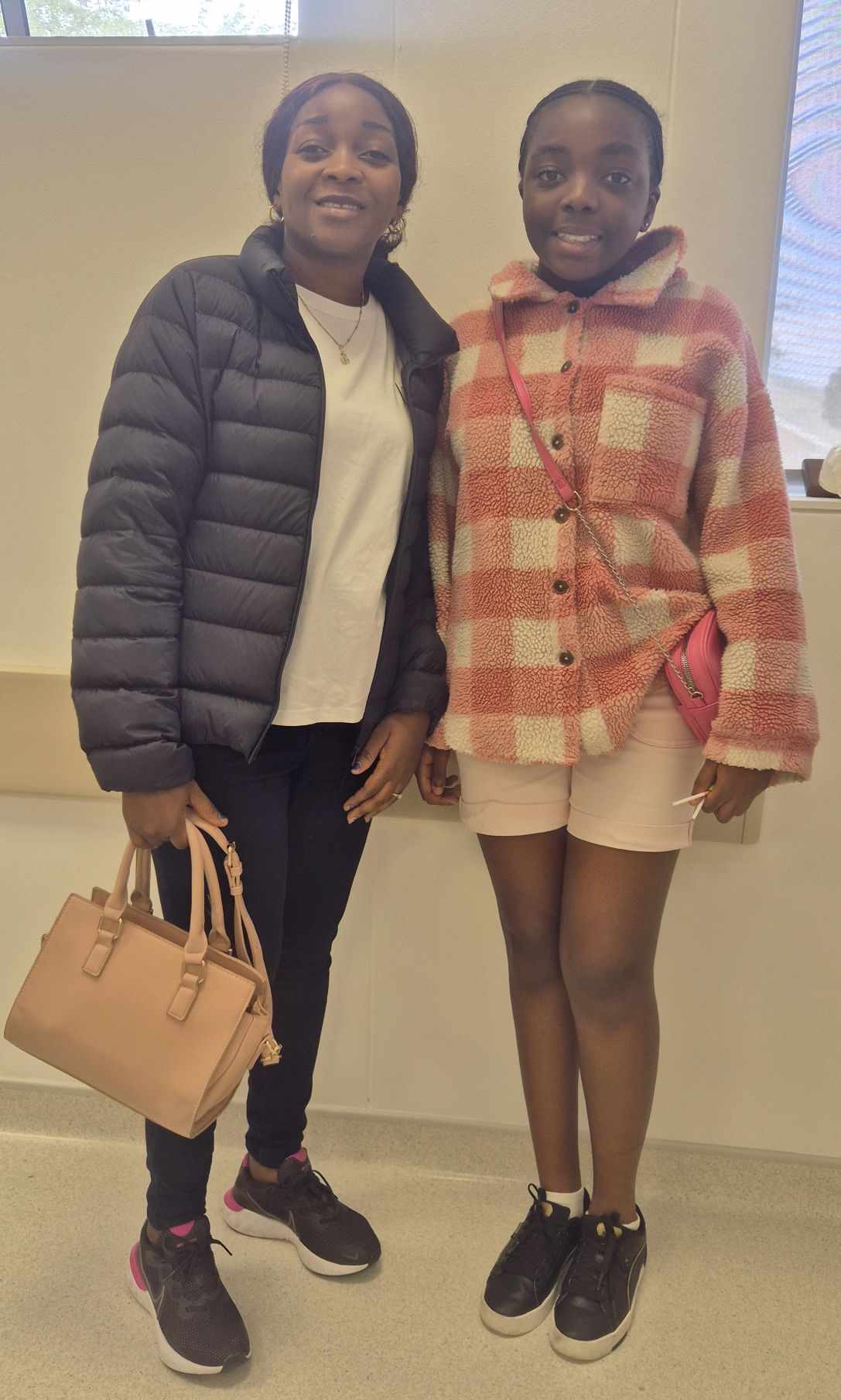 Jessica Lukoji (13 years old)
What should parents do?
Parents who notice that their baby's foot or feet appear turned inward or downward should seek medical advice as soon as possible.
The first step is to visit a local clinic, community health centre, doctor or district hospital, where healthcare workers can assess the child and arrange referral to a specialised clubfoot clinic if necessary.
Treatment usually begins within the first weeks of life and involves a series of casts, followed by bracing to maintain correction. Families receive education and support throughout the treatment journey.
“Clubfoot treatment is a partnership between healthcare teams and families,” says Dr Mari Thiart, Paediatric Orthopaedic Surgeon at Tygerberg Hospital (TBH). “Parents play a critical role by attending appointments and ensuring braces are worn as prescribed.”
More than correcting a foot
Healthcare professionals emphasise that treating clubfoot is about far more than correcting the position of a foot.
Without treatment, children may experience difficulty walking, pain and challenges participating fully in school, sport and everyday activities. Early intervention helps children reach developmental milestones, build confidence, remain active and participate fully in family and community life.
“Treating clubfoot improves mobility, independence and quality of life,” says Professor Horn. “It gives children the opportunity to achieve their full potential.”
Strengthening awareness and access to care
Tygerberg Hospital and Red Cross War Memorial Children's Hospital continue to support clubfoot awareness through specialist services, outreach initiatives and public education.
“Awareness is critical,” says Dr Thiart. “The earlier a child is identified and referred, the sooner treatment can begin and the better the long-term outcome.”
On World Clubfoot Day, healthcare professionals encourage parents and caregivers to seek help early and remain committed to treatment.
The message is clear: clubfoot is treatable, help is available, and early action can change a child's life.
Partnering for impact
For many years, STEPS Clubfoot Care has partnered with Tygerberg Hospital and Red Cross War Memorial Children's Hospital to support children and families affected by clubfoot.
For more information, visit www.steps.org.za.
 Amara Bedja (2 years old)
‘We bring you the latest Garden Route, Hessequa, Karoo news’