

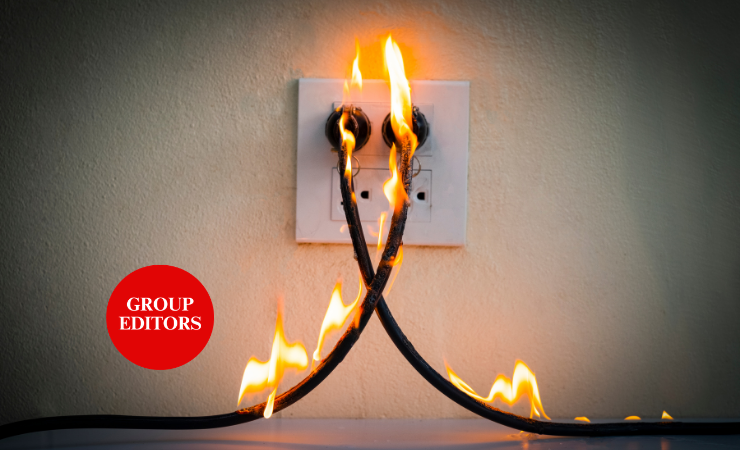
LIFESTYLE NEWS - Experts warn that the biggest risk may not be when the power goes out, but when it comes back on.
Power surges after outages can damage appliances
According to Dr Andrew Dickson, Engineering Executive at CBi-electric: low voltage, the return of electricity after an unplanned outage can trigger a surge of current through the grid.
Heating appliances and devices left switched on immediately begin drawing power, creating voltage fluctuations and placing strain on the electrical network. This can lead to further outages or switching transients capable of damaging sensitive electronic equipment.
"The most dangerous moment in a power outage is often when electricity is restored," said Dr Dickson.
Winter places added pressure on the electricity grid
The South African Weather Service has forecast above-normal rainfall along the eastern coastline between June and October 2026, while colder temperatures across the interior are expected to increase demand for geysers, panel heaters and underfloor heating systems.
As households consume more electricity to stay warm, the added demand places further strain on the grid, increasing the likelihood of temporary power interruptions and damage to electrical equipment.
Winter weather also brings additional risks, including damaging winds, lightning and heavy rain that can affect electricity infrastructure. Cable theft typically increases during the colder months, leading to more frequent and unpredictable outages.
"Winter is the toughest season for any home electrical installation," said Dr Dickson. "Higher heating loads, severe weather and a less stable grid all stack up at once. The good news is that a few straightforward precautions can dramatically reduce the risk of damage."
Four ways to protect your home this winter
Install surge protection
A surge protection device (SPD) fitted at the distribution board is one of the most effective ways to protect a home's electrical installation and appliances from voltage spikes when power is restored. Unlike plug-in surge protectors that only safeguard individual appliances, a distribution board-mounted SPD protects the entire electrical system by intercepting surges as they enter the home.
Homeowners should have the device inspected regularly by a qualified electrician to ensure it is correctly rated and functioning properly.
Test earth leakage protection regularly
Earth leakage protection units are designed to disconnect electricity within milliseconds if a fault is detected, helping prevent electrocution. Dr Dickson advises homeowners to test the unit regularly using the built-in test button. If the circuit fails to trip, the unit should be regarded as faulty and replaced immediately by a registered electrician.
Regular testing ensures the installation continues to provide effective protection for everyone in the household.
Avoid overloading electrical circuits
Running multiple high-powered appliances such as geysers, heaters and underfloor heating on the same circuit can overload electrical systems, increasing the risk of overheating, nuisance tripping or even electrical fires.Homeowners are advised to avoid overloading extension leads or multi-plugs, never daisy-chain extension cords and ensure extension cables are fully unwound during use.
Where possible, high-demand appliances should be connected to dedicated circuits.
Use smart energy management
Smart energy management systems can help reduce electrical demand by automatically controlling when appliances operate. Programmable geyser timers, smart plugs and home energy monitoring systems allow homeowners to manage electricity consumption more efficiently, reduce strain on circuits and identify potential overloads before problems occur.
These systems can also help households monitor and reduce monthly electricity costs.
Prepare before the next outage
Dr Dickson said winter conditions that place pressure on household electrical systems are already being experienced and are likely to intensify.
"Winter is predictable. The conditions that strain electrical systems - cold snaps, storms, outages and heavy heating loads - are with us now. A bit of attention today can prevent expensive repairs and emergency call-outs later."
Taking a few preventative measures before the next power interruption can help protect electrical installations, extend the lifespan of appliances and improve household safety throughout the winter months.
‘We bring you the latest Garden Route, Hessequa, Karoo news’