


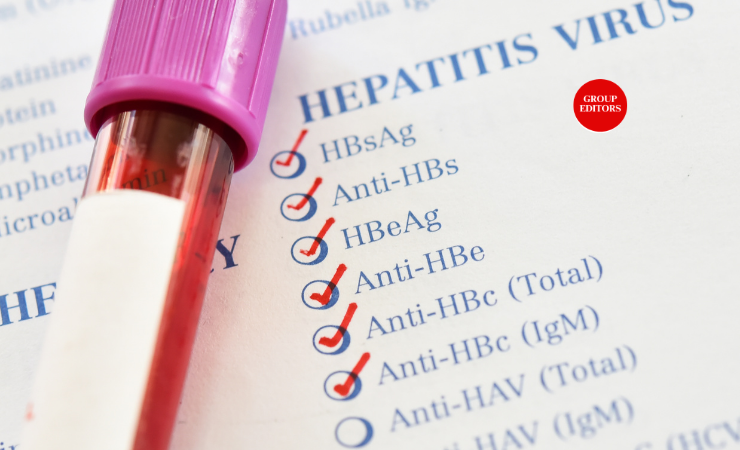
LIFESTYLE NEWS - Every year, millions of people worldwide live with viral hepatitis without realising it.
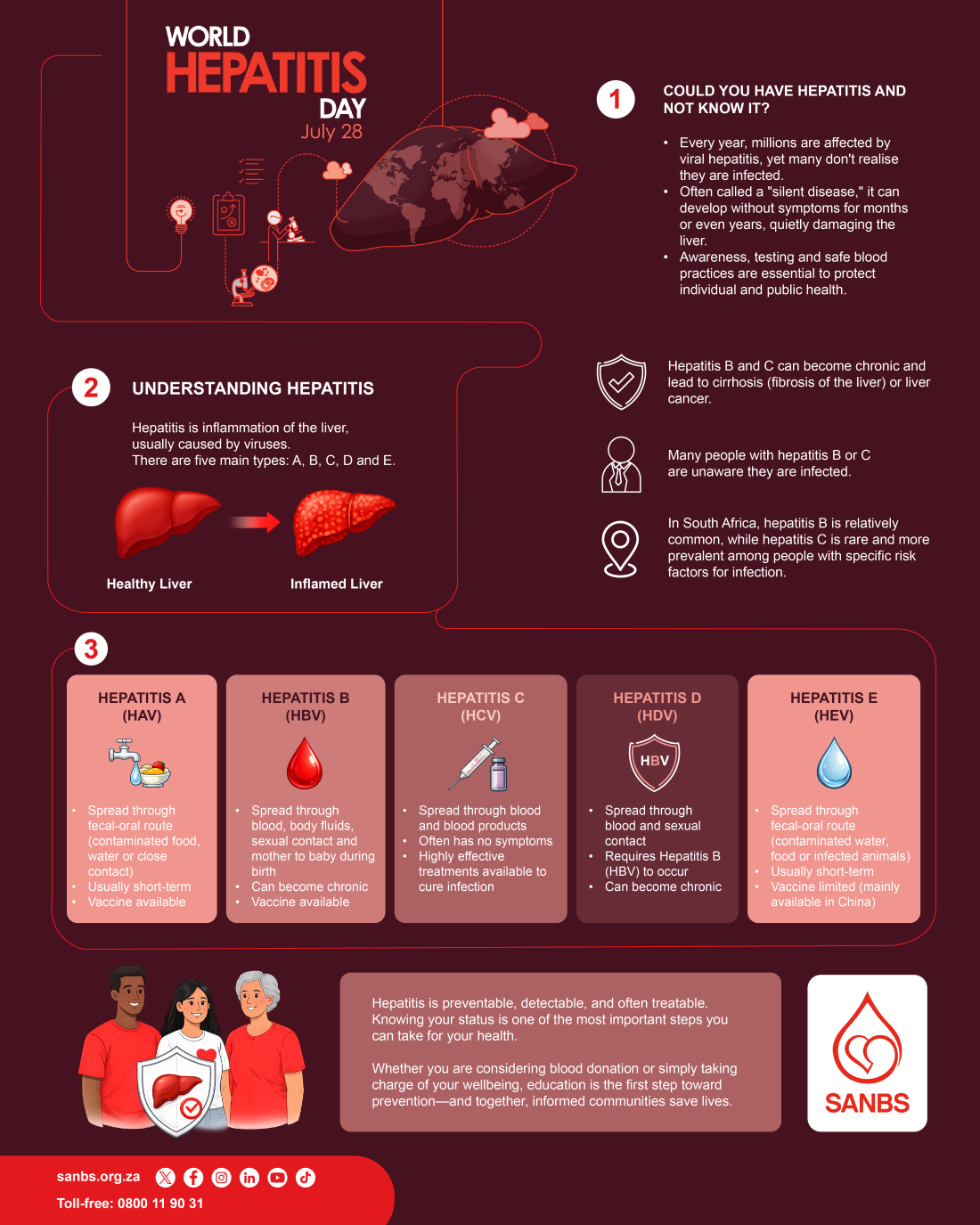
Often called a “silent disease,” hepatitis can damage the liver for months or years before any symptoms appear.
Because symptoms frequently only emerge after significant liver damage has occurred, many people receive a diagnosis too late. Education, risk awareness and timely testing can change that outcome – and save lives.
Not all Hepatitis is the same: Understanding the 5 types
Hepatitis is inflammation of the liver, most commonly caused by viruses. There are five main types of viral hepatitis – A, B, C, D and E – each spreading differently and carrying distinct risks.
- Hepatitis A and E are usually linked to contaminated food or water and typically cause short-term illness.
- Hepatitis B and C pose the greatest public health threat because they can become chronic, silently scarring the liver over many years.
- Hepatitis D only occurs in people already infected with hepatitis B.
Despite these differences, one principle remains constant: awareness, early testing and prevention dramatically reduce the risk of serious illness and long-term liver disease.
The disease you may never feel: Why Hepatitis often goes undetected
One of the greatest challenges with hepatitis is the frequent absence of early symptoms. People can continue working, raising families and living active lives while the virus quietly damages their liver.
When symptoms do appear, they may include:
- Persistent fatigue
- Fever
- Loss of appetite
- Nausea and vomiting
- Pain in the upper right side of the abdomen
- Dark-coloured urine
- Pale or clay-coloured stools
- Yellowing of the skin and eyes (jaundice)
Because many of these signs – especially without jaundice – overlap with common illnesses, hepatitis is frequently missed without specific testing.
Why knowing your Hepatitis status matters: Testing saves lives
Testing is the only reliable way to know if you have hepatitis. Early diagnosis enables timely treatment, lowers the risk of severe liver disease (including cirrhosis and liver cancer) and helps prevent unknowing transmission to others.
Consider speaking to a healthcare provider about hepatitis testing if you:
- Have had unprotected sex with multiple partners
- Have risk factors linked to injecting drug use or needle sharing
- Work in healthcare or have regular exposure to blood
- Live with someone diagnosed with hepatitis B
- Were born to a mother living with hepatitis B
- Have unexplained abnormal liver function test results
Even without known risk factors, all adults should be tested for hepatitis B virus (HBV) at least once. Knowing your HBV status supports informed healthcare decisions, appropriate vaccination where needed, and peace of mind about your health.
Protecting South Africa’s blood supply: SANBS multi-layered safety approach
For the South African National Blood Service (SANBS), patient safety begins long before blood reaches a hospital.
Every potential donor first completes a confidential health and lifestyle assessment to identify possible risk factors.
Every donated unit is then screened with advanced laboratory technology for transfusion-transmissible infections, including hepatitis B, hepatitis C, HIV and syphilis.
These multiple layers of donor selection and laboratory testing help ensure that every unit of blood supplied to patients meets the highest safety standards.
Education is the first step towards prevention
Despite advances in prevention, testing and treatment, many people still delay seeking help because they feel well or do not realise they could be at risk. Greater awareness reduces stigma, encourages earlier diagnosis and helps more people access care before serious liver damage occurs.
“One of the greatest challenges with viral hepatitis is that many people don’t realise they are infected with HBV or HCV because the disease can remain silent for years,” says Dr Ute Jentsch, Acting Medical Director at the South African National Blood Service.
“Education is critical in the fight against hepatitis. It empowers people to understand their risk, seek testing when appropriate and make informed decisions about their health. Importantly, it also raises awareness of the hepatitis B vaccine, which is highly effective and can be administered from birth, providing lifelong protection against HBV.
"Widespread vaccination not only protects individuals but also helps safeguard the health of future generations, including potential blood donors.
 Greater awareness reduces stigma, encourages earlier diagnosis and helps more people access care before serious liver damage occurs. Image: Canva
“By increasing awareness and encouraging early detection, we can reduce the burden of viral hepatitis while safeguarding the health of both future blood donors and the broader community. At SANBS, patient safety begins long before blood reaches a recipient. Through stringent donor selection processes and thorough screening of every blood donation for both HBV and HCV, SANBS helps ensure a safe, reliable and sustainable blood supply for all South Africans.”
Every conversation could save a life
Hepatitis is preventable, detectable and, in many cases, treatable. Yet thousands of people remain unaware they are living with the virus.
Whether you are considering becoming a blood donor, supporting someone living with hepatitis, or simply taking charge of your own health, awareness is one of the most powerful tools available.
When people know the facts, they are more likely to get tested, seek treatment and help stop the spread of infection.
Knowledge saves lives. So does safe blood.
Stay connected with SANBS:
- X: @theSANBS
- Facebook: @SANBS
- Instagram: @thesanbs
- TikTok: @thesanbs
‘We bring you the latest Garden Route, Hessequa, Karoo news’