

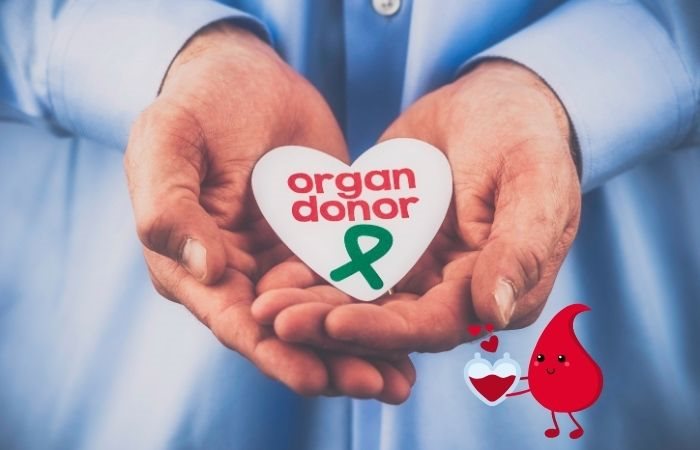
GARDEN ROUTE | KAROO NEWS - The Gauteng Department of Health (GDoH) is calling on South Africans to consider registering as organ and tissue donors, saying a single decision could give multiple patients a second chance at life.
An estimated 6 500 people across South Africa are currently on waiting lists for organ and tissue transplants.
In Gauteng alone, about 1 100 patients are either waiting for a kidney transplant or undergoing assessment to be placed on the transplant waiting list.
A critical need
For patients waiting for a transplant, an available donor organ can mean the difference between continuing to battle a serious illness and getting the opportunity to live a healthier, fuller life.
The department said a transplant could mean a child having the chance to grow up, a parent spending more time with their family, or a patient being freed from regular dialysis while waiting for a suitable kidney donor.
Organs that can be donated include the heart, lungs, liver, kidneys and pancreas.
Tissue donation can include corneas, skin, heart valves, bone, blood vessels and connective tissue, helping recipients regain their sight, mobility and quality of life.
People who are alive can also become donors. In certain circumstances, a living donor can donate one kidney or part of their liver and continue to live a normal, healthy life.
The department said advances in medical care have made living donation a safe and effective option for many patients requiring transplants.
Demand far exceeds supply
South Africa performed approximately 317 solid-organ transplants in 2024 across the public and private healthcare sectors.
However, the demand for donor organs continues to far exceed the supply.
As a result, patients can spend months or even years waiting for a suitable match. Some become too ill to undergo a transplant, while others die before a suitable donor organ becomes available.
The GDoH acknowledged that deciding to become an organ donor is a deeply personal choice and that discussing organ donation with family members can be difficult.
However, it described donation as one of the most selfless acts a person can make.
According to the department, one organ donor could save up to seven lives, while tissue donation could improve the lives of as many as 50 people.
Know the facts
The department said myths and misconceptions continue to make some people hesitant about becoming donors.
It stressed that age or certain medical conditions do not automatically rule someone out as a donor. Suitability is assessed by medical professionals when the opportunity for donation arises.
People who decide to become donors are also encouraged to discuss their wishes with their families.
This can be particularly important because families may be approached about organ donation at a time of profound grief. Knowing a loved one’s wishes beforehand can provide clarity and comfort when difficult decisions need to be made.
“By registering as an organ or tissue donor, individuals can leave behind a legacy of hope and healing,” the department said.
“Every donor has the power to transform multiple lives and help families facing some of the most challenging circumstances imaginable.”
South Africans interested in becoming organ or tissue donors can enquire at their nearest hospital or register through the Organ Donor Foundation of South Africa. – SAnews.gov.za
‘We bring you the latest Garden Route, Hessequa, Karoo news’