


LIFESTYLE NEWS - Shopping bags are one of the most visible parts of the retail experience, with customers often unaware of the environmental and financial costs attached to the bags they carry out of stores.
According to sustainable paper shopping bag supplier Traderbag, South African retailers and consumers need to reconsider their reliance on single-use plastic bags and explore more sustainable alternatives.
Consumers left to carry the cost of plastic shopping bags
The company says that while online retailers and grocery delivery services have increasingly embraced paper packaging because it forms part of the customer experience, traditional brick-and-mortar retail has been slower to move away from plastic.
Why retailers are reconsidering plastic
Traderbag director Declan Cherry says plastic bags remain popular because they are inexpensive, familiar and already integrated into retail operations.
“For online retail, packaging is part of the delivery experience. When a parcel arrives at a customer’s home, the packaging represents the brand. Physical retail has been slower because plastic bags are cheap, familiar and already built into store operations,” he says.
Cherry believes the shift towards paper alternatives is possible if solutions are practical, affordable and reliable for retailers.
The hidden cost at the till
While consumers are aware that they pay for plastic bags, many are unaware of exactly how much these costs add up over time.
South African legislation requires retailers to charge a levy on plastic carrier bags, with the levy increasing from 8 cents in 2016 to 32 cents in 2026.
Retailers may charge customers the stipulated levy or more, with some bags costing shoppers more than R1 each.
Traderbag says consumers often have little visibility on what portion of the final price covers the levy, manufacturing, distribution, handling and retailer margins.
“If the charge is being positioned as environmental, consumers should have more clarity on where that money goes and whether it is reducing plastic waste,” says Cherry.
Questions around recycling and environmental impact
More than 100 countries, including 34 African countries, have banned single-use plastic shopping bags. However, South Africa continues to consume an estimated 8 billion plastic carrier bags annually, with only about 1% being recycled, according to Greenpeace.
Traderbag says the original purpose of the plastic bag levy was to reduce litter and encourage recycling, but concerns remain about whether sufficient funding has been directed towards environmental improvements.
Cherry says industry discussions have previously highlighted concerns around the use of levy revenue and whether it has achieved the intended environmental outcomes.
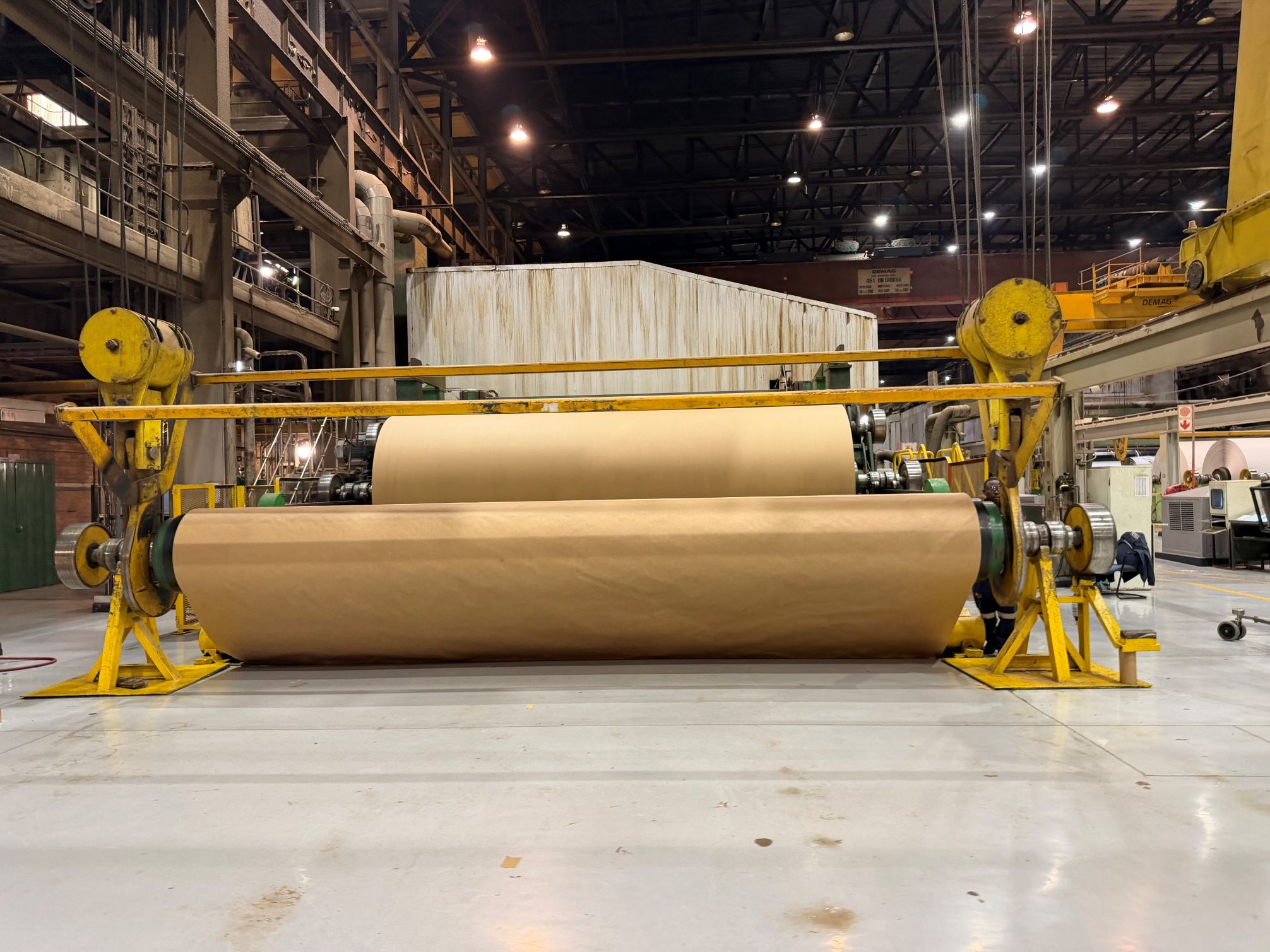 One of Sappi’s plantations in the Ehlanzeni District of Mpumalanga Province.
Pressure grows for recycled plastic content
Another challenge facing retailers is the increasing requirement for recycled content in plastic bags.
Plastic carrier and flat bags were required to increase post-consumer recycled content from 50% in 2023 to 75% in 2025, with requirements set to reach 100% from January 2027.
Cherry says the challenge is not only whether recycled plastic can be produced at the required standard, but whether enough consistent, high-quality recycled material is available.
“Large retailers need reliable supply, consistent strength, print quality and pricing,” he says.
He adds that plastic can only generally be recycled a limited number of times before it becomes unusable, making long-term sustainability more complex.
Retailers encouraged to prepare for change
Traderbag believes environmental levies and regulations are likely to continue evolving as governments use taxation to influence environmental behaviour.
The company’s managing director, Daniel Cherry, says retailers that delay moving towards alternatives could face increased costs and operational challenges in future.
“Retailers should act now because waiting elevates risk. If levies increase or regulations tighten, businesses still heavily dependent on plastic could face sudden cost pressure and operational disruption,” he says.
He adds that retailers who begin testing paper alternatives now will be better positioned from both a business and reputational perspective.
‘We bring you the latest Garden Route, Hessequa, Karoo news’