

NATIONAL NEWS - The National Shelter Movement of South Africa (NSMSA) – an umbrella organisation working with about 100 GBV shelters and safe houses nationwide – marks the 16 Days of Activism with a clear message: “GBV in South Africa cannot be treated as a 16–day campaign when we are living through a 365–day emergency.
"This year’s global theme, UNiTE to End Digital Violence against All Women and Girls, reinforces the Letsema call for a unified effort, as digital abuse is rising sharply and affecting women and girls across all communities. Ending GBV now requires protecting people both offline and online, and if men, women, boys and girls are to work together – as the G20 vision demands – digital safety must be part of our shared responsibility.
"But we cannot afford another year of symbolic gestures and empty promises. Shelters and frontline workers continue to provide safe spaces and vital education in their communities, but they cannot carry the weight of this national crisis without urgent, meaningful support.”
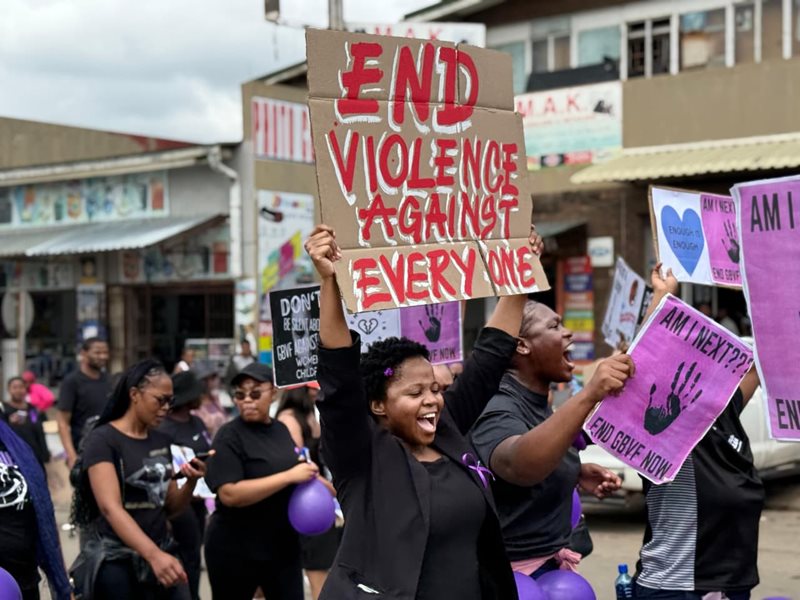
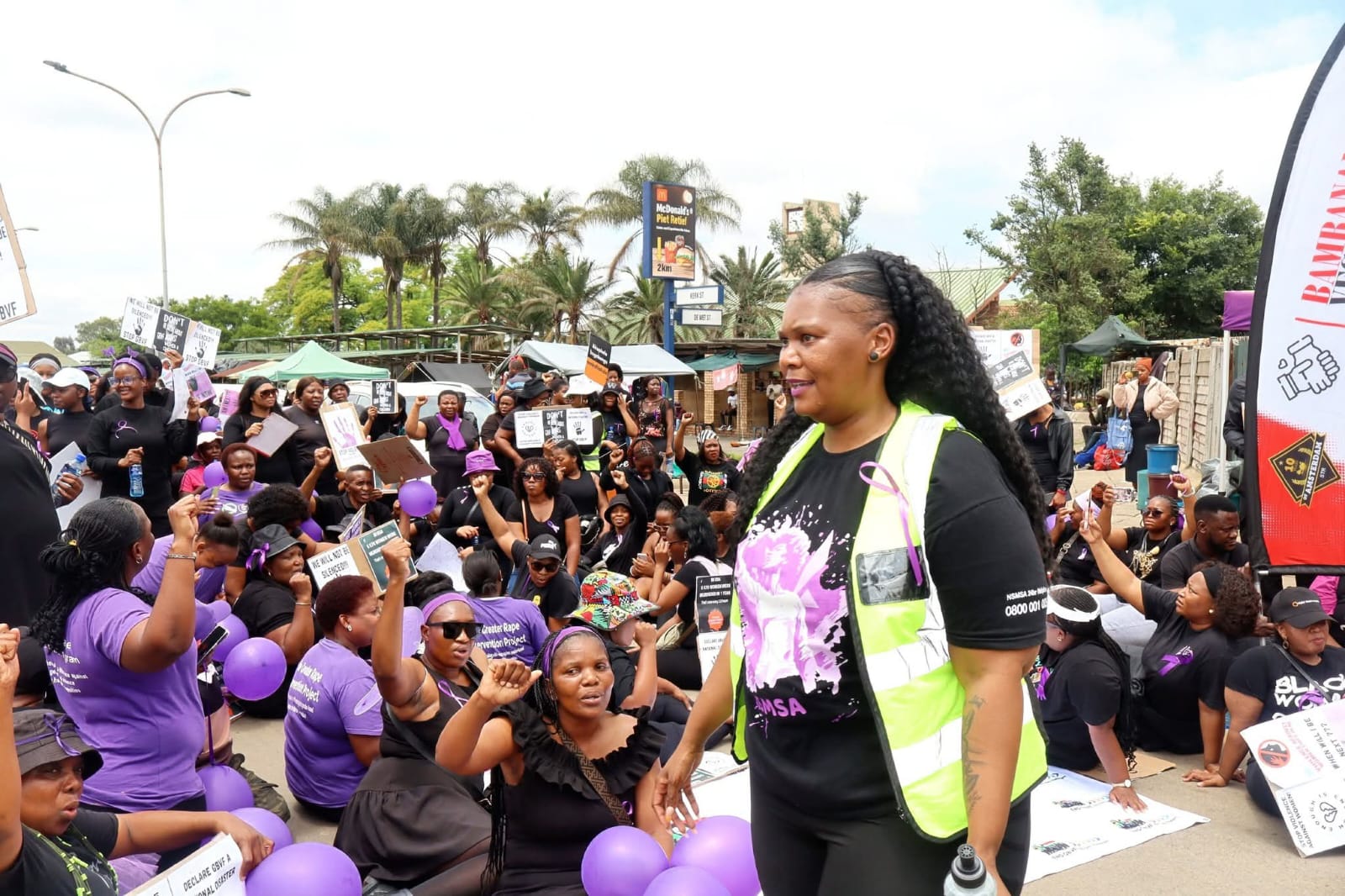
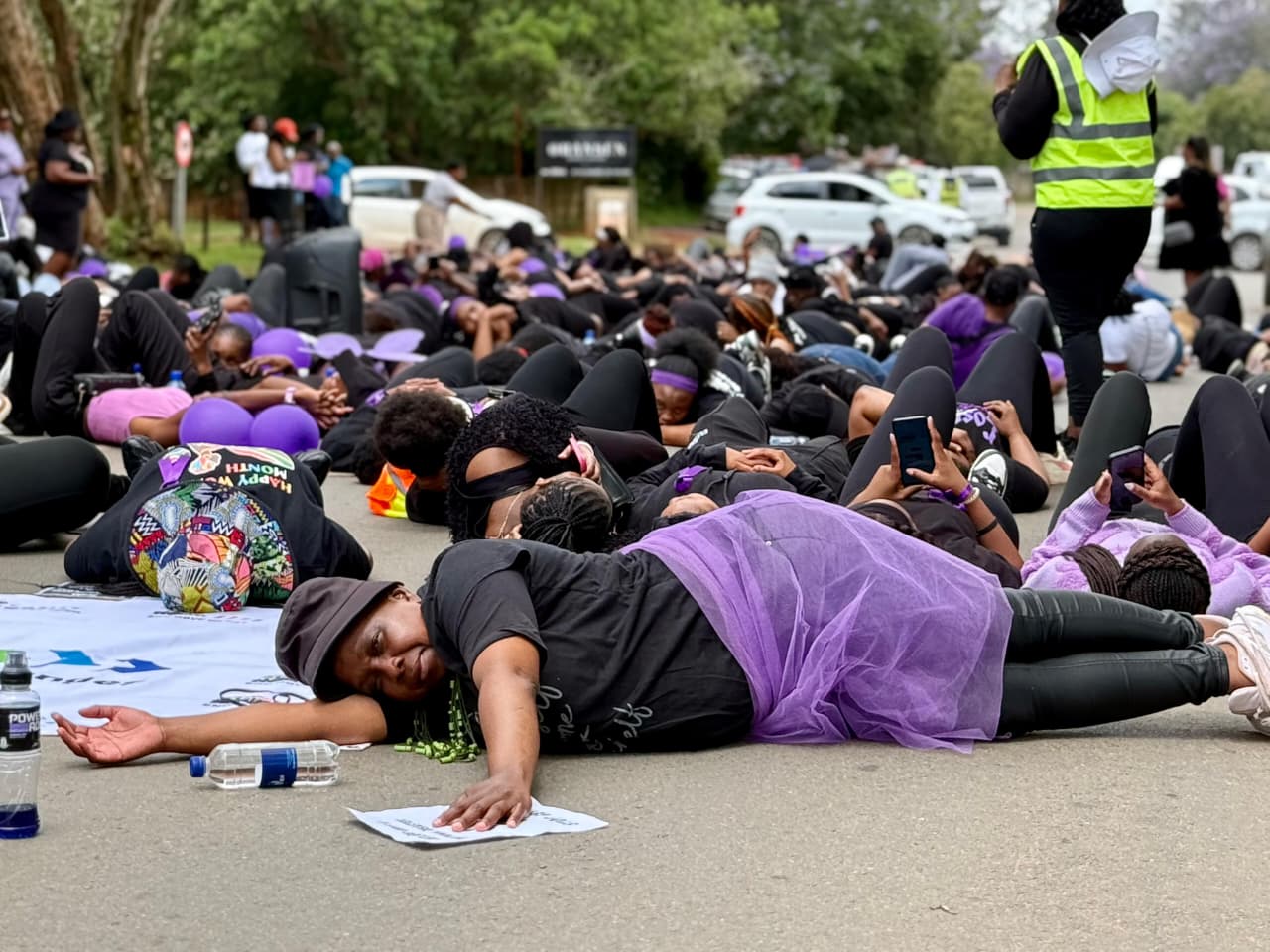
The devastating impact of GBV in the country was the catalyst for an extraordinary public mobilisation on the eve of the G20 Leaders’ Summit, where thousands took to the streets in solidarity with GBV victims and survivors.
South Africans showed what it looks like when a country refuses to remain silent. Women stood in their pain, families showed their grief with courage, and communities showed their power. For the NSMSA, the question now is, will government match that courage with action?
Greer Schoeman, NSMSA Board Member says, “For many years, shelters have warned that words – however well-intentioned – will not stem the tide of violence and murder. But now that President Ramaphosa has (once again) acknowledged, on such an important stage as the G20 Leaders’ Summit, that GBV is both a national and global crisis, even declaring it as a national disaster, we hope to see all the talk turn into positive and constructive action.
"For years, the NSMSA has called attention to the reality that while government talks a good talk, the funding for essential GBV services continues to decline, while the administrative burden on shelters and safe houses continues to grow.”
“Majority of these nonprofit organisations receive grants as low as R140,000 a year, with the Department of Social Development (DSD) covering less than 40% of operational costs. This funding model is not only unsustainable but profoundly unjust.
"Shelters are expected to rescue, house, feed and empower survivors, yet they are left to fend for themselves – begging private donors just to keep the lights on and food on the table. It is unacceptable that the very people who help government fulfil its constitutional mandate to protect vulnerable citizens, often at great personal cost, are forced to operate under such precarious conditions.”
“This chronic underfunding also entrenches reliance on women’s unpaid and underpaid labour, further marginalising and exploiting the women (and men) who hold up the country’s GBV response. And it is precisely because of this reality that it is infuriating to know that last year, Gauteng DSD returned more than half a billion Rand to Treasury, unspent.
"How can this be allowed to happen when safe houses are literally crumbling for lack of resources?”
She says that a good place to start would be for government to develop, with inputs from civil society and the public, a comprehensive plan to increase financial support for GBV shelters to at least 60%.
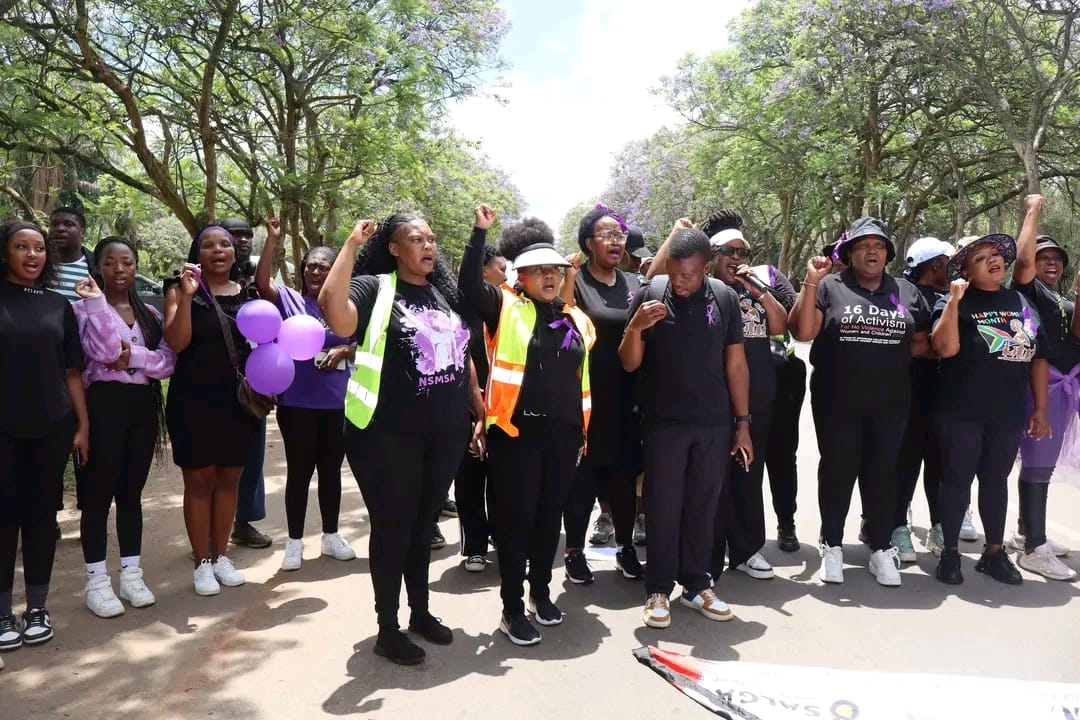
This plan should also promote multi-stakeholder collaboration to support things like capacity building, helping with some of the material needs at shelter facilities, and even providing various support services to shelter staff – because many are constantly on the brink of burnout.
“South Africans also need a full update on the implementation of the Public Protector’s recommendations across the Departments of Justice, Social Development and the South African Police Service (SAPS). The findings were damning, the recommendations were time-bound, and the 100-day deadline for reporting has long passed. Communities, shelters and survivors are still waiting. Accountability cannot continue to be deferred. Where is the outcomes report? Where is the transparency? We cannot fight a national emergency with missing documents and unanswered questions. Survivors deserve better than silence.”
She says that government must also finalise the revised National Strategic Plan on GBV, without further delay, so that implementation can begin. And equally important, concrete timelines are needed to clear the policy and implementation blockages that continue to prevent victims and survivors from accessing justice and safety.
“We hear the President’s call for a whole-of-society approach,” says Schoeman. “But, Mr President, civil society always shows up – shelters, activists, community workers, volunteers and the public. But without government (and the private sector and philanthropists) coming with real resources and real accountability, we are fighting a losing battle. This is not only a call to action for women – it is a call for a society where safety is not a privilege, where violence is never normalised, and where leadership does not fail women and children when they need it most.”
 Images: Supplied
‘We bring you the latest Garden Route, Hessequa, Karoo news’